Unlocking the dynamic interaction between self-control and discipline is a path that is both complex and transformational, leading to personal strength and accomplishment once it is completed. The ability to comprehend how to bring these two opposing forces into harmony is of the utmost importance in a society that is rife with diversions, quick gratifications, and conflicting demands. Self-control, also known as the ability to govern one’s impulses, goes hand in hand with discipline, which may be defined as an organized approach to achieving one’s goals. This combination cultivates resiliency, helps sharpen focus, and paves the way for sustained success in the long run. This book takes a deep dive into detangling the complex web of connections that hold self-control and discipline together. We will investigate the psychological and physiological underpinnings, with the goal of providing insights into why these skills sometimes falter and how to strengthen them. Additionally, you will learn practical methods for boosting your willpower, establishing goals that are important to you, and creating a life filled with activities that are in line with and serve a purpose. By participating in this journey, you will not only be able to cultivate a stronger link between self-control and discipline, but you will also be able to cultivate the ability to shape your life in a more meaningful way.
| Table Of Contents |
| How do you gain self-control and discipline? |
| 13 tips on how to improve self-control! |
| What is the relationship between self-control and discipline? |
| How do I train myself to have self-control? |
| How do you train your mind to be disciplined? |
| How to Build Self-Discipline: 15 Strategies for Change! |
| What is the secret to self-control? |
| What are the consequences of lack of self-control? |
| In Conclusion! |
How do you gain self-control and discipline?

It is necessary to take a methodical and slow approach in order to cultivate self-control and discipline. To build a solid basis for your drive, you should start by establishing crystal-clear goals that are congruent with your beliefs. Create a plan for achieving these objectives by breaking them down into a series of actions that are more doable. Mindfulness training can help you become more aware of your urges and give you the ability to take a breath before acting on them.
Establish a regular schedule for yourself that includes time set aside for concentrated work as well as activities that contribute to your personal development.
Make it more difficult for yourself to give in to temptations by removing as many of them as possible from your immediate surroundings. Make use of positive reinforcement techniques, such as praising yourself for being on track and accomplishing certain goals.
Embrace setbacks as learning opportunities and opportunities to rethink your approach to a problem. Put yourself in an environment where you are surrounded by positive people or groups who share your goals; this will encourage accountability and inspire you. Self-regulation may be improved through practices like going to the gym regularly, getting enough sleep, and eating healthily.
Develop effective strategies for managing your time in order to better distribute your energy. Your mental fortitude can be improved with the use of visualization and positive affirmations. Remind yourself that developing self-control and discipline is a prolonged process; along the way, recognize and reward yourself for even the smallest wins, and be patient with yourself if you have any setbacks.
13 tips on how to improve self-control!
Clearly define your objectives by making sure they are attainable, detailed, and in line with your core beliefs. This will give you a strong sense of purpose that will direct your activities.
To practice mindfulness: means to cultivate the habit of paying attention to the here and now, which enables you to become more self-aware of your impulses and to respond with more considered decisions rather than knee-jerk reactions.
Establish a schedule: Make it a point to create a daily schedule for yourself that consists of set times for work, leisure, physical activity, and things that help you better yourself.
Chores should be broken down: In order to avoid feeling overwhelmed and to make progress seem more real, larger goals should be broken down into more manageable, smaller chores.
Limit temptations: By designing your surroundings to support your attempts to exercise self-control, you may minimize your exposure to distractions and temptations, which will help you limit your chances of giving in to them.
Practice delaying gratification by giving up immediate advantages in exchange for greater, more meaningful gains in the future. This will help you develop the capacity to resist the temptation to give in to instant satisfaction.
Self-care should be prioritized by making sure you get enough sleep, move your body on a regular basis, and eat well in order to keep your physical and mental health in the best possible shape, which will help you better regulate your emotions.
Make use of positive reinforcement: give yourself rewards for achieving milestones and sticking to your goals. This will reinforce positive behaviours and motivate you to continue making progress.
Learn to understand your emotions and the triggers that cause them: When you learn to understand your emotions and the events that cause them, you may respond more carefully rather than on impulse.
Develop your ability to bounce back from adversity by accepting that it is an inevitable and integral part of the learning and development process, making the most of your experiences with failure, and refining your approach wherever possible.
Utilize time management strategies such as the Pomodoro Technique to allot concentrated work hours and planned breaks, therefore increasing your overall productivity.
Seek accountability and share your objectives with a close friend, a mentor, or the community at large so that you can hold yourself responsible and get support when things become difficult.
Use positive mental images and affirmations to strengthen your determination and reinforce your dedication to exercising self-control. Practicing visualization and affirmations is a great way to do this.
Keep in mind that developing better self-control is a process that takes time, and that maintaining consistency is essential. Have patience with yourself, and make sure to acknowledge and appreciate even the smallest of your accomplishments.
What is the relationship between self-control and discipline?
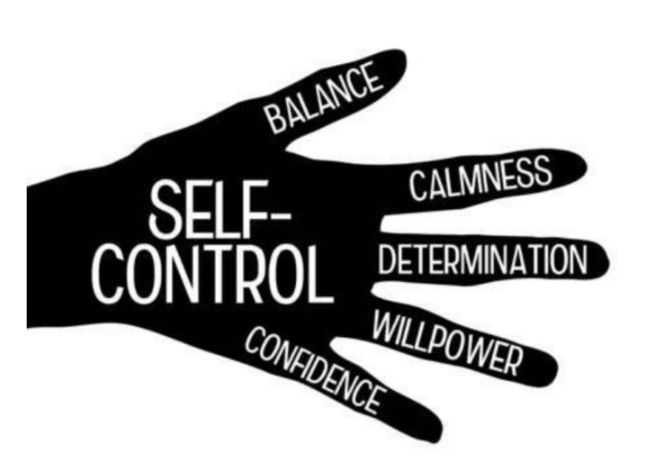
Self-control and discipline are two closely related ideas that complement one another to cultivate personal development and the accomplishment of one’s objectives. Individuals are able to make thoughtful decisions that are in line with their long-term goals when they have self-control because they are able to manage their impulses, emotions, and wants.
It’s the capacity to withstand immediate temptations in order to pursue longer-term goals that will provide more important benefits. On the other side, discipline refers to the systematic approach that one takes in order to maintain regular habits and routines that get them closer to achieving their goals.
Developing and maintaining a structure that facilitates the exercise of self-control by way of the establishment of limits, routines, and practices is required for this. Self-control, in its purest form, is the mental capacity to resist distractions and remain focused, whereas discipline, on the other hand, is the practical framework that directs consistent conduct. They join together to form a powerful alliance that encourages individuals to persevere in the face of adversity, cultivates the ability to concentrate, and gives them the ability to realize their ambitions.
How do I train myself to have self-control?

The development of self-control is a skill that can be learned, but it takes a mix of specific tactics and regular practice. To begin, you should establish distinct objectives that are of personal relevance and provide you with a compelling incentive to practice self-control. To cultivate awareness, observe your impulses without reacting to them right away. This will give you the space to reflect before acting on your decisions.
Establish a regular schedule for yourself that allows time for working intently, unwinding, and taking care of yourself. Develop the skill of postponing gratification by making the intentional decision to prioritize long-term rewards above immediate pleasures. You may gradually build up your resistance to temptation by exposing yourself to temptations while simultaneously exercising self-control.
Employ the strategy of positive reinforcement by giving yourself rewards for adhering to the plan and achieving progress. Develop your emotional awareness so that you can identify the factors that lead to impulsive behaviour and devise strategies to deal with them. Exercising on a regular basis, getting enough sleep, and maintaining a healthy diet all help with general self-regulation. In order to maintain your motivation and share your experiences, it is helpful to look for social support and accountability from friends, family, or support groups.
Keep in mind that self-control is a talent that can be developed with patience and determination; thus, show compassion for yourself when you experience failures and celebrate your accomplishments.
How do you train your mind to be disciplined?

Your mental capabilities may be harnessed for more concentrated activities and more self-control through the use of a methodical approach, which is required for training your mind to be disciplined.
To get started, it’s important to formulate goals that are not just comprehensible but also personally significant. To avoid feeling overwhelmed, divide these objectives into smaller, more doable activities.
Through the practice of mindfulness, one may become aware of their thoughts, feelings, and impulses without reacting to them immediately. Create a regimen that includes time set aside for working, resting, and engaging in activities that contribute to your personal development. Utilize methods such as meditation to help you focus your attention during work intervals, and be sure you take breaks when they are scheduled.
Develop a “growth mindset,” in which you look at difficulties as chances to learn and increase your self-discipline. Create mental images and repeat positive statements to yourself as a way to build your mental willpower. Embrace the concept of delayed gratification by making a concerted effort to prioritize the acquisition of long-term rewards over short-term pleasures.
Put yourself in a setting that will encourage your attempts to be disciplined, and surround yourself with people who are positive influences. Cognitive function and self-regulation are both improved by maintaining a healthy diet, getting enough rest, and exercising on a regular basis. Building a disciplined mind requires consistent practice as well as an understanding of one’s own capabilities; be patient with yourself and make sure to alter your techniques on a continuing basis.
How to Build Self-Discipline: 15 Strategies for Change!
Developing one’s own self-discipline is a transforming process that enables personal progress and the accomplishment of one’s goals. The following is a list of fifteen tactics that can spark good change:
Define precise objectives that resonate with your dreams. To provide a road map for focused activity, you need to first establish clear goals for yourself.
Establish a pattern: One of the most important things you can do for yourself is to create a daily pattern that includes time for work, rest, and personal development.
Develop an awareness of your impulses and feelings through the practice of mindfulness. This will enable you to make deliberate decisions rather than acting on impulses when faced with challenging situations.
Tasks should be broken down into smaller, more achievable steps to help preserve clarity and reduce feelings of overwhelm.
Putting things in order of importance and avoiding multitasking are two ways to improve one’s ability to concentrate and one’s overall output.
Embrace the concept of delayed gratification by choosing long-term benefits above short-term pleasures in order to develop more self-control.
Make use of positive reinforcement techniques such as celebrating achievements and milestones while also praising appropriate conduct.
Imagine achieving your goals regularly, which can help reinforce your devotion and resolve to achieve them.
Implementing accountability means sharing your goals with a support network in order to keep yourself motivated and obtain direction.
Reduce distractions: Get your space organized to cut down on the number of tempting things around you and improve your ability to focus.
Failures should be viewed as chances for learning, and your strategy should be modified to reflect these opportunities.
Make use of time management: Utilize strategies such as time blocking to maximize your productivity and the amount of work you get done.
Build your resilience by training yourself to quickly recover from setbacks and become more self-disciplined as a result of enduring difficult experiences.
Self-care is the practice of giving one’s own physical and mental well-being the highest priority, since this lays the groundwork for developing self-discipline.
Be Patient: Developing self-discipline is a process that takes time; in the meantime, be persistent, forgiving yourself for any failures, and enjoying any gains you make along the way.
What is the secret to self-control?

A mix of being mindfully aware, making choices with intention, and engaging in persistent practice is the key to developing one’s capacity for self-control.
Recognizing your instincts and wants without giving in to them right away is a necessary part of this skill.
You can obtain the ability to examine your actions in light of your longterm objectives and ideals if you give yourself a momentary mental break between the stimulus and your response.
Have a strong sense of purpose and be clear about what you want to accomplish in order to improve your ability to exercise self-control. Create a path for success by defining your objectives precisely and then slicing them into digestible chunks. Establishing routines that allow you to prioritize your goals and make progress toward them can help you develop the habit of exercising self-discipline.
Disciplined conduct can be reinforced through positive reinforcement, such as praising oneself for maintaining compliance with one’s objectives. Recognize that failures are chances to learn and improve your strategy, which will help you become more resilient. Put yourself in an atmosphere that is encouraging, and look for people or communities that share your goals and objectives to provide you with direction.
In its most basic form, exercising selfcontrol requires a combination of awareness, conscious action, regular effort, and a supporting framework that helps you make decisions that are in line with your long-term goals.
What are the consequences of a lack of self-control?

Lack of self-control can have far-reaching implications that can have an impact on many different elements of one’s life. Without the ability to exercise self-control, making hasty choices might result in undesirable consequences.
Excessive spending combined with poor money management can lead to debt, which can put a person in a precarious financial position. When it comes to one’s health, engaging in poor eating habits and neglecting to engage in physical activity can lead to weight gain and the health problems that come along with it.
Academic and professional achievement can be hampered by procrastination, which stems from a lack of selfdiscipline on the part of the individual. possible for interpersonal connections to suffer when there’s a lack of emotional regulation and spontaneous reactions. The inability to exercise selfcontrol can lead to poor time management, which in turn can result in missed opportunities and unachieved goals.
In addition, an inability to regulate one’s impulses is frequently the root cause of addiction as well as substance usage. Lacking selfcontrol may have a wide range of negative effects on one’s wellbeing, including those in their personal, professional, and social lives.
The cultivation of self-discipline is absolutely necessary for reducing these repercussions and developing a life that is more balanced and satisfying.
In Conclusion!
The mutually beneficial link between selfcontrol and discipline gives a method to accomplish personal growth and success. We gain the ability to resist immediate desires and the ability to make reasoned decisions that are in line with our longterm goals when we train ourselves to develop self-control.
In turn, discipline supplies the structure and consistency necessary to maintain self-control, ensuring that deliberate acts become established habits by ensuring that they are consistently performed. This path towards increased selfcontrol and discipline is not without its difficulties, but the benefits in the end will be significant. Our capacity to maintain attention, resilience, and adaptability improves as we learn to overcome obstacles such as distractions and temptations. This, in turn, gives us the power to pursue our goals, enhance our well-being, and build relationships that are significant to us.
By cultivating these characteristics, not only are we able to realize our full potential, but we also pave the way for a life that is purposeful, productive, and satisfying. As a result, you should go on this path of transformation, equipped with the techniques and insights that have been provided, and see the significant influence it has in your life.