Self-assurance is one of the most important qualities necessary for successful leadership. It is the cornerstone upon which leaders construct their credibility and gain the trust of the members of their teams. Many successful people have to work hard to achieve their level of self-assurance, despite the fact that some people appear to exude self-assurance very effortlessly. In this piece, we will investigate eight different methods that successful people use to improve their sense of self-assurance. These techniques provide vital insights into how leaders may develop the self-confidence necessary to effectively traverse the obstacles of leadership, including setting and attaining objectives, receiving feedback, embracing failure as a learning opportunity, and practicing self-compassion. These techniques will give you concrete ways to become a more confident and successful leader, regardless of whether you are an experienced leader trying to increase your confidence or an aspiring leader looking to develop this essential trait. Whether you are an experienced leader looking to enhance your confidence or an aspiring one looking to develop this critical attribute.
| Table Of Contents |
| What are eight ways to improve your self-confidence? |
| How can a leader improve self-confidence? |
| What are examples of self-confidence? |
| What are the six key elements of confidence? |
| What are the 3 P’s of confidence? |
| What are different types of confidence? |
| What makes up confidence? |
| Is confidence the key to success? |
| In Conclusion! |
What are eight ways to improve your self-confidence?

Improving self-confidence is a valuable endeavour that can positively impact various aspects of life, including personal relationships and professional success. Here are eight effective ways to boost your self-confidence:
- Set Achievable Goals: Break down your ambitions into smaller, manageable goals. Successfully accomplishing these milestones can gradually boost your confidence.
- Positive Self-Talk: Challenge and replace negative thoughts with positive affirmations. Cultivate a mindset that supports self-belief.
- Embrace failure. See failure as a learning opportunity rather than a setback. Analyze what went wrong and use it to improve future endeavour’s.
- Skill Development: Invest in learning and mastering new skills. Gaining expertise in a particular area can significantly enhance self-confidence.
- Body Language: Maintain good posture and make eye contact when interacting with others. Positive body language exudes confidence.
- Seek Feedback: Request feedback from trusted individuals to identify areas for improvement. Constructive criticism can guide personal growth.
- Practice Self-Care: Prioritize physical and mental well-being through regular exercise, meditation, and adequate sleep. Feeling good physically often translates to feeling more confident.
- Celebrate Achievements: Acknowledge and celebrate your accomplishments, no matter how small. This reinforces a sense of self-worth and confidence in your abilities.
By incorporating these strategies into your life, you can gradually enhance your self-confidence and approach new challenges with a more positive and assured mindset.
How can a leader improve self-confidence?

Self-confidence is a critical quality that contributes to a leader’s overall effectiveness, and there are particular actions that can be taken to boost it.
How to do it:
Establish Well-Defined Objectives: As a leader, you should establish well-defined, attainable, and quantifiable goals for yourself. When you achieve these objectives, it will help you feel more confident in your own talents.
Knowledge and Skill Development: Make a consistent investment in furthering your education and developing your leadership abilities. Increasing your level of knowledge and expertise will, of course, give you more confidence.
Affirmations should be used to challenge any feelings of self-doubt, and negative ideas should be replaced with positive ones. Remind yourself of the past times you were successful and your ability to prevail over obstacles.
Accepting failure means looking at mistakes as opportunities for growth and development. Examine your setbacks dispassionately, make necessary adjustments to your tactics, and press on with the knowledge that you now possess.
Seek Out input Do your best to actively seek out and request helpful input from teammates, mentors, and peers. Make use of their observations to improve your approach to leadership.
Set an example for others to follow by acting confidently and making choices that reflect that confidence. The actions that you take will serve as a model for the rest of your team.
Develop your ability to persevere in the face of hardship by engaging in the practice of resilience. The development of resilience helps people feel more confident in their ability to handle stressful situations.
Mentoring: Seek the advice and direction of seasoned individuals who are willing to offer encouraging words and helpful insights.
It is possible for leaders to boost their self-confidence through the implementation of these techniques, which, in turn, will encourage successful leadership and inspire confidence among their colleagues.
What are examples of self-confidence?
Self-confidence manifests in various ways, and its expression can differ from person to person. Here are some examples of self-confidence:
- Effective Communication: Confident individuals express their thoughts and ideas clearly, maintain eye contact, and engage in active listening during conversations.
- Taking Initiative: They proactively initiate tasks or projects, even when faced with uncertainty, and are willing to assume leadership roles.
- Decision-Making: Self-confident people make decisions decisively, based on their knowledge and intuition, without excessive hesitation or self-doubt.
- Accepting Feedback: They are open to constructive criticism, view it as an opportunity for growth, and can respond calmly to both positive and negative feedback.
- Handling Challenges: Confident individuals approach challenges with a positive attitude, believing in their ability to find solutions and overcome obstacles.
- Risk-Taking: They are willing to take calculated risks and step outside their comfort zones to pursue opportunities or achieve their goals.
- Body Language: Confident body language includes standing tall, making direct eye contact, and using assertive gestures without appearing aggressive.
- Resilience: They bounce back from setbacks and view failures as temporary setbacks rather than insurmountable obstacles.
- Self-Advocacy: Confident individuals assertively express their needs, boundaries, and opinions while respecting others’ perspectives.
- Consistency: They consistently demonstrate their abilities and competence in various situations, reinforcing their self-belief.
These examples illustrate that self-confidence is not a one-size-fits-all trait but a combination of behaviors, attitudes, and communication styles that empower individuals to navigate life’s challenges with assurance.
What are the six key elements of confidence?

Confidence is a complicated quality, and it is comprised of numerous critical factors that together contribute to an individual’s sense of self-assurance. Confidence may be defined as an individual’s capacity to feel good about themselves. The following are the six most important components of confidence:
Self-Efficacy is the degree to which a person believes they are able to carry out the activities or fulfill the aims that they have set for themselves. A strong sense of one’s own ability to succeed is one of the fundamental components of confidence.
Self-Confidence is something that comes from having solid confidence in oneself, which encompasses one’s abilities, knowledge, and potential for success.
A Optimistic View of Oneself Confidence is directly associated with having a favorable view of oneself. People who are confident in themselves have a positive vision of themselves and are able to embrace themselves completely.
Resilience is an essential component of confidence, since it refers to an individual’s capacity to recover quickly from defeat or disappointment. People who are resilient see obstacles in their path as chances for personal development and are able to keep their self-belief even when faced with adversity.
Confidence is communicated both verbally and behaviourally through aggressive speech and conduct. This component entails being able to articulate oneself, establish healthy boundaries, and advocate for one’s own needs and beliefs in a manner that is polite.
Confidence may be increased by maintaining an optimistic attitude in life and having faith that positive outcomes are likely. People who are optimistic approach circumstances with optimism and the expectation that they will be successful.
These six components are inextricably linked, and when taken as a whole, they provide a rock-solid basis for confidence in general. Individuals can benefit from developing and maintaining a healthy degree of self-assurance in different facets of life by cultivating the characteristics listed here.
What are the 3 P’s of confidence?

The “3 P’s of Confidence” is an oversimplified model that focuses on the most important factors in gaining and maintaining confidence.
These three “Ps” are:
Preparation is frequently the first step in achieving confidence, and with good reason. People have a natural tendency to feel more certain in their abilities when they have adequately prepared for a task, presentation, or challenge. Acquiring new information, honing one’s abilities, and thinking forward to possible challenges are all aspects of preparation. The better prepared you are, the more confident you will feel about your capacity to deal with whatever comes your way.
Talking to Yourself Positively: Talking to yourself positively includes regulating the communication that you have with yourself. It’s about combating negative ideas and feelings of self-doubt with positive affirmations and a healthy sense of confidence in oneself. Your self-confidence will increase if you make it a habit to regularly highlight your accomplishments and reflect on the positive aspects of yourself.
Confidence is a talent that may be polished to a more refined level through practice. The more you put yourself in precarious circumstances or accomplish difficult goals, the more confident you will become. Your level of competence will increase as a result of practice, and you will also become more accustomed to the sensation of acting with confidence as a result of this.
Individuals may methodically improve their self-confidence in a variety of aspects in their lives, including public speaking, leadership, and personal development, by placing an emphasis on the three Ps: preparation, positive self-talk, and practice.
What are different types of confidence?

A person’s level of self-assurance may be broken down into many distinct subtypes, and each of these subtypes serves a distinct purpose in the course of an individual’s life. The following is a list of some of the several forms of confidence:
Self-Confidence is the most fundamental form of confidence, and it refers to a person’s conviction in their own skills, sense of self-worth, and general self-assuredness.
Confidence in social settings refers to the degree to which a person feels at ease and comfortable in the company of others. It requires strong communication skills, the ability to interact well with others, and the capacity to form and sustain connections.
Confidence in one’s professional talents is referred to as “professional confidence,” and distinguishes itself from other forms of self-assurance. It involves being sure of one’s abilities, one’s knowledge, and one’s ability to make decisions within the context of the job.
Confidence in one’s own body may be defined as the degree to which a person is at ease and optimistic regarding their own physical appearance and state of health. It entails accepting oneself and having high self-esteem in relation to one’s physical appearance.
What the term “competence confidence” refers to is confidence in one’s ability to perform particular tasks or talents, such as public speaking, writing, or athletics.
Emotional confidence may be defined as the ability to successfully manage and express one’s emotions, as well as the ability to deal with stress and hardship while maintaining calm.
Confidence in adverse circumstances fluctuates based on the surrounding circumstances. Certain circumstances can cause some people to feel very confident, while other circumstances might cause them to feel less so.
Confidence in leadership is the idea that one is able to effectively lead, make choices, inspire, and assist people to achieve their goals.
Individuals are able to identify areas of their lives in which they may like to concentrate on progress and development when they have an understanding of these many forms of confidence, which eventually results in a life that is more well-rounded and confident.
What makes up confidence?
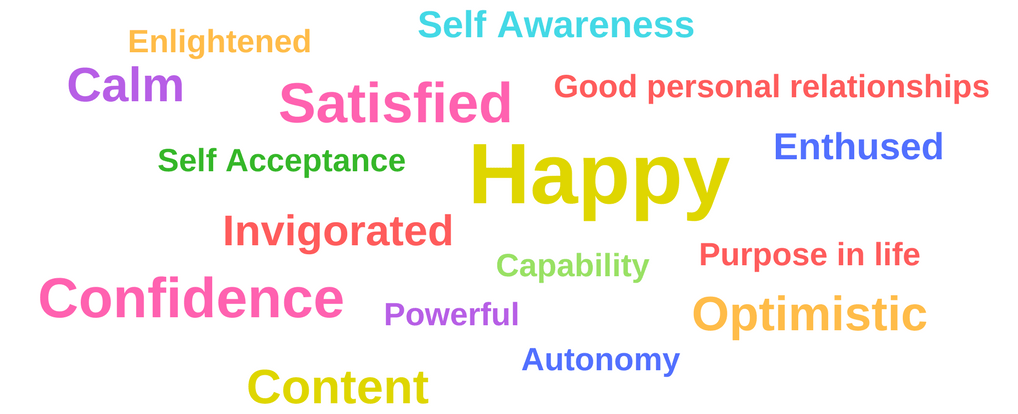
Confidence is a complex and diverse feature, comprising multiple aspects that together contribute to an individual’s sense of self-assuredness and belief in their skills. Confidence may be defined as an individual’s belief in their own capabilities as well as their own self-assuredness. Confidence is made up of several essential components, including the following:
Self-Efficacy: The foundation of confidence is self-efficacy, which may be defined as a person’s conviction that they are able to effectively accomplish individual objectives and carry out assigned responsibilities. Confidence is enhanced by having a high level of self-efficacy.
Belief in Oneself: The foundation of confidence is a firm conviction in one’s own abilities, which includes faith in one’s level of knowledge, experience, and potential for achievement.
Healthy Self-Esteem and a Positive Self-Image are necessary components of confidence. People who have positive views of themselves tend to have higher levels of self-confidence.
Resilience is an essential component of confidence, since it refers to an individual’s capacity to recover quickly from defeat or disappointment. Individuals who possess resilience are able to keep their self-confidence intact in the face of challenging circumstances.
Confidence may be increased by maintaining an optimistic attitude toward life and having faith that positive outcomes are likely. One’s level of optimism influences the anticipation of success.
Preparation: Self-assurance is naturally enhanced when one is well-prepared for work or a problem. Being well-prepared for a task or challenge is one of the most common sources of confidence.
Encouragement and positive comments from others may help an individual’s confidence by confirming the qualities they possess. This can be accomplished through positive feedback.
These aspects interact with one another and overlap, which results in a dynamic and ever-changing sense of assurance. Developing these parts of oneself can result in a sense of self-confidence that is not only greater but also more resilient in many facets of one’s life.
Is confidence the key to success?
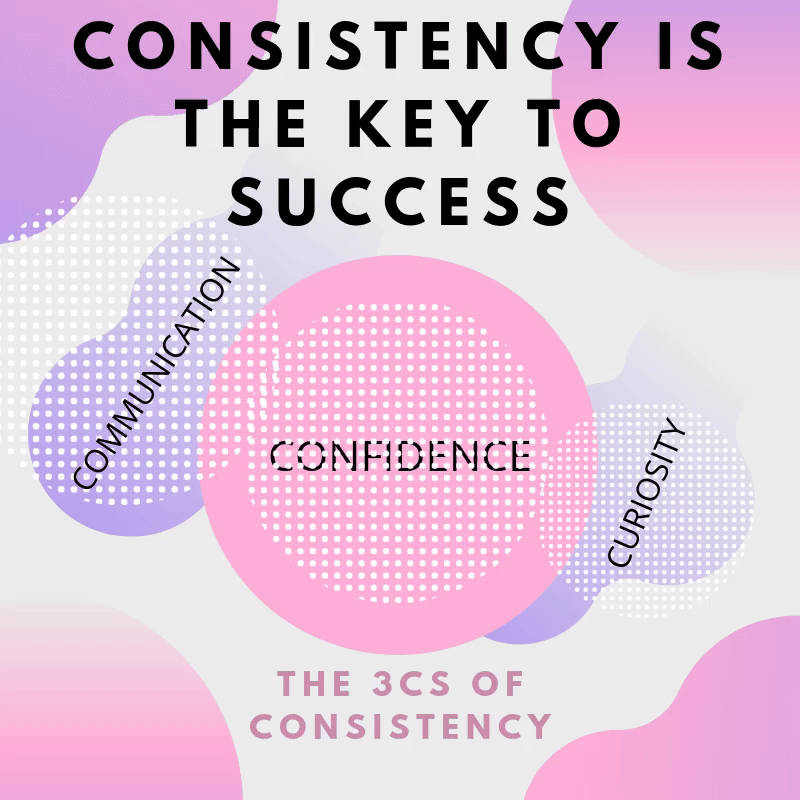
Yes, confidence is a crucial factor that can significantly contribute to success, but it is not the sole key. Success often results from a combination of factors, including competence, determination, skills, knowledge, perseverance, and external opportunities. While confidence can increase a person’s capacity for goal-setting and problem-solving, it is not enough to achieve long-term success without the help of other crucial qualities and favorable circumstances.
Although confidence is definitely an invaluable commodity on the road to success, it is not the only factor that determines whether or not one will achieve that achievement. Self-assurance may play a significant role in an individual’s capacity to pursue and achieve their objectives, but success is often the product of a confluence of a number of other elements.
There are many different reasons why confidence is so important to one’s level of achievement. It gives people the ability to take charge of their lives, triumph over obstacles, and remain resilient in the face of hardship. People who exude self-assurance typically garner more trust from others and more possibilities. Furthermore, having confidence in oneself may have a favorable impact on the decisions one makes and the pursuit of ambitious goals.
Competence, dedication, tenacity, skills, knowledge, flexibility, and a strong work ethic are some of the other crucial components necessary for success. However, success also demands a strong work ethic. Opportunities, social networks, and occasionally even serendipity are just a few examples of external factors that may have an impact on success.
To boil it all down, having confidence is important, but in order to open the door to success, it is necessary to combine that confidence with a variety of other characteristics and conditions.
In Conclusion!
In summary, having self-assurance is undeniably one of the most important factors that contribute to success. It gives people the confidence to try new things, stand up to adversities, and keep going for the things they want in life. Our level of confidence affects how we approach opportunities and the decisions we make, which in turn frequently have a positive impact on the outcomes. However, it is essential to understand that success is an intricate tapestry that is fashioned from a variety of different threads. Although self-assurance is an important component, it is not sufficient on its own.
In addition to these things, success requires that you be competent, knowledgeable, determined, resilient, and work hard. There is also an important role played by extraneous elements and possibilities. Therefore, having confidence is an essential component; nevertheless, in order to open the doors that lead to success, you will also need to have a well-rounded set of traits as well as favorable conditions. In the end, the formula for success differs from person to person and scenario to situation. Because of this, it is vital to nurture a variety of traits in addition to confidence in order to thrive in many areas of life.