There comes a time in everyone’s life, often after years of giving, working, and showing up for others, when you suddenly feel stuck. You may not even know why. You just know that something inside you feels heavy. You go through the motions, but your heart isn’t in it anymore.
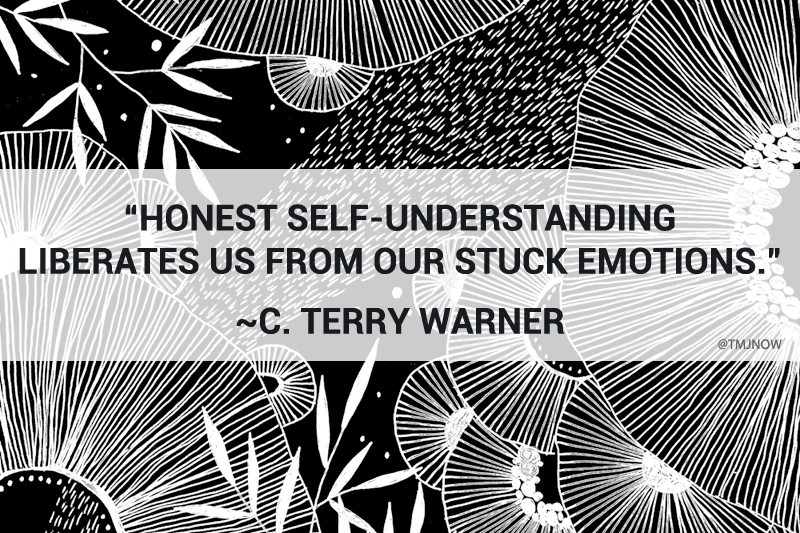
This emotional “stuckness” can sneak up on anyone, especially during times of change like retirement, a career shift, or an empty nest. It’s not that life has lost meaning, but rather, that you’ve lost touch with your inner rhythm. If you’ve been feeling disconnected from yourself lately, know this: you’re not broken. You’re simply being invited to pause and reflect. Emotional blocks aren’t permanent, they’re messages from within. And through the simple practice of self-reflection, you can begin to understand them, release them, and move forward with clarity and peace.
Understanding Your Emotional Blocks!
Before you can unblock yourself, it helps to understand what’s really happening beneath the surface.
Emotional blocks are unresolved feelings or thoughts that prevent you from fully experiencing the present moment. They often arise from:
- Past experiences you’ve buried but never healed
- Unspoken disappointments or regrets
- Self-doubt or guilt
- The fear of change or loss
When left unaddressed, these emotions become like knots in your inner world, tight, tangled, and draining your energy. You may find yourself avoiding certain situations, repeating the same thoughts, or feeling emotionally flat.
But here’s the good news: every emotional block is an opportunity. It’s your inner self saying, “Please listen to me.”
That’s where self-reflection comes in.
The Power of Self-Reflection in Emotional Healing!
Self-reflection is one of the most gentle yet powerful tools for emotional healing. It allows you to step back and look inward with honesty and compassion.
Instead of judging yourself for how you feel, reflection teaches you to observe and to understand the why behind your emotions. When you reflect, you transform confusion into clarity. You move from reacting to responding.
Think of reflection as emotional housekeeping. It clears away the clutter of unspoken feelings, helping you reconnect with your deeper self, the part of you that knows peace, purpose, and strength.
Recognizing When You’re Emotionally Blocked!

Sometimes emotional blocks don’t show up as sadness. They might appear as:
- Constant fatigue or lack of motivation
- Irritability or mood swings
- Difficulty making decisions
- Feeling unfulfilled despite having “everything”
- Avoidance of deep conversations or change
These signs are not weaknesses. They’re signals, gentle reminders that something within you needs attention.
Take a deep breath and remind yourself: you’re not stuck; you’re just paused. The journey of unblocking begins with awareness.
How Reflection Helps You Unblock Emotionally!
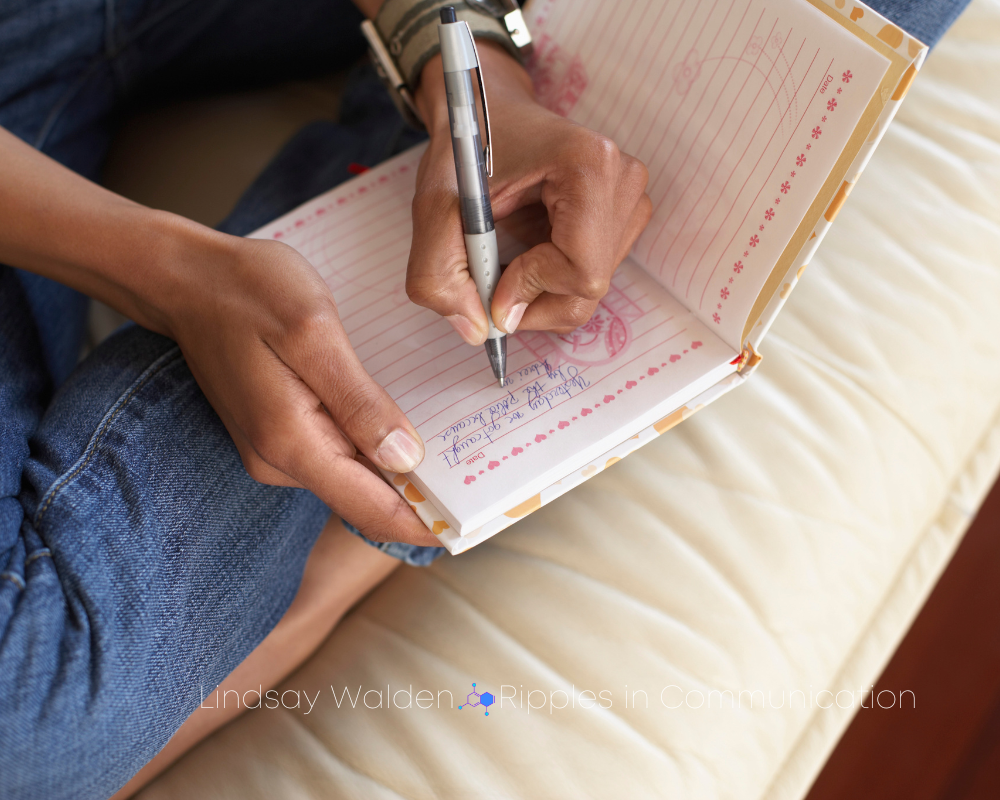
When you practice reflection, you create space for understanding. You begin to see your patterns, not to criticize yourself, but to set yourself free.
Here’s how it helps:
- It gives your emotions a voice: Writing or thinking about what you feel helps release emotional tension.
- It connects past and present: Reflection allows you to see how past experiences shape your current reactions.
- It rewires your mindset: The more you reflect, the more you understand that you always have a choice, to hold on or to let go.
- It nurtures self-acceptance: Reflection teaches you to meet yourself where you are, not where you “should” be.
Observing your thoughts, emotions, and patterns, you start to see what drives you and what drains you. That awareness alone begins the process of emotional healing, allowing you to release old beliefs and create space for peace and renewal. Reflection helps you reconnect with your deeper truth, the part of you that knows what feels right and what no longer serves your growth. With consistent self-awareness practices, like journaling or mindful breathing, you develop the strength to shift your mindset from limitation to possibility. Each insight becomes a small spark of transformation, guiding you toward a calmer, more fulfilled version of yourself. When your mindset expands, so does your world. You stop resisting change and begin embracing it.
A Simple Self-Reflection Method to Try!
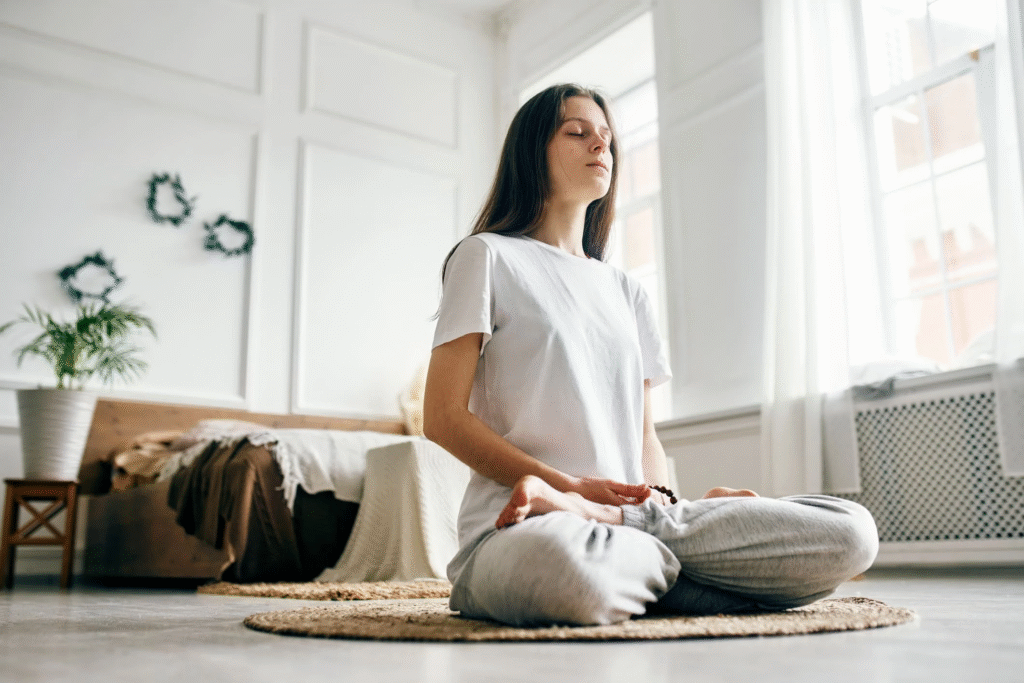
If you’ve never practiced self-reflection before, don’t worry; it’s not complicated. You don’t need hours of meditation or fancy journals. All you need is honesty, patience, and a few quiet moments.
Here’s a simple method that works beautifully for emotional release:
Step 1: Create a Calm Space
Find a quiet corner in your home, somewhere you feel safe. Light a candle, play soft music, or simply sit in silence.
Step 2: Ask Yourself Gentle Questions
Reflection begins with curiosity. You can start by asking:
- What am I feeling right now?
- What might be causing this emotion?
- When did I last feel at peace?
- What am I holding onto that I need to release?
Step 3: Write Without Judgment
Let your thoughts flow freely. Don’t worry about grammar or structure, this isn’t for anyone else’s eyes. It’s for you.
Step 4: Observe, Don’t Criticize
Instead of labeling your feelings as good or bad, notice them. See them as information, not identity.
Step 5: Close with Gratitude
After reflecting, thank yourself for showing up. Gratitude helps shift your energy from heaviness to healing.
This simple self-reflection practice, when done daily or weekly, helps you slowly unblock yourself emotionally, one layer at a time.
The Role of Self-Compassion in Emotional Healing!

Many people make the mistake of approaching self-improvement like a race, expecting instant transformation. But emotional unblocking isn’t about speed; it’s about sincerity.
True reflection requires self-compassion. You can’t shame yourself into growth, you can only love yourself into becoming better.
There will be days when reflection feels easy and days when it stirs up emotions you’ve long ignored. That’s normal. Healing isn’t linear. What matters is that you keep showing up, gently, consistently, and lovingly.
Reflection Tools That Deepen Emotional Awareness!
Here are some tools to enhance your reflective journey:
- Journaling: Write freely every morning or before bed.
- Mirror Reflection: Look into your eyes and speak kindly to yourself.
- Mindful Walking: Reflect while walking in nature, and notice how your body feels and how your mind responds.
- Creative Expression: Sometimes emotions express themselves better through art, music, or even cooking.
These small acts of reflection serve as gentle reminders that growth happens in stillness, not in hurry. By committing to self-awareness exercises, you learn to identify what triggers stress, what nurtures your peace, and what helps you stay grounded. Over time, these practices become second nature, a soothing rhythm that restores emotional balance. This is the essence of mindful self-discovery: understanding yourself with patience and compassion, rather than judgment or comparison. As you become more aware of your inner world, you begin to notice how your energy, choices, and relationships align with your true values. The more consistent you are with reflection, the more confident and emotionally resilient you become, embracing each day with purpose, gratitude, and quiet strength.
Letting Go of Emotional Clutter!
Imagine your emotions as a closet. Over time, it fills with memories, fears, and unspoken words. Reflection helps you sort through it, keeping what strengthens you and releasing what no longer serves you.
Ask yourself:
- What am I still carrying from my past that drains my energy?
- Who or what am I ready to forgive?
- What does peace mean to me right now?
Letting go doesn’t mean forgetting. It means freeing yourself from the weight of what cannot be changed.
Moving from Reflection to Action!
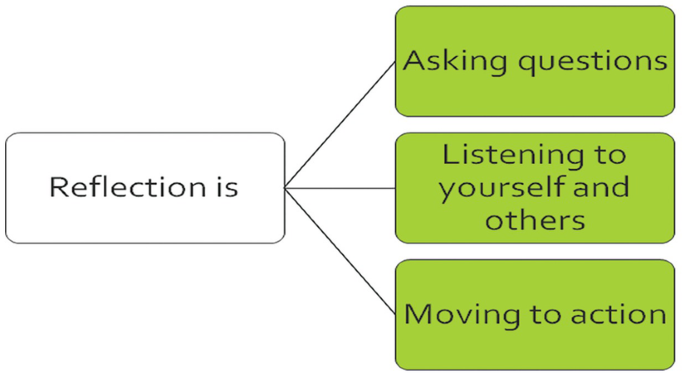
Reflection without action keeps you in your head. Once you’ve gained insight, take one small, loving step toward change.
If your reflection reveals that you’re craving connection, call a friend.
If it shows that you’re yearning for creativity, start a hobby.
If it uncovers pain, seek healing, not avoidance.
Each step, however small, begins to move your energy again.
Why Reflection Matters More in Later Life!
For retirees or those transitioning from one phase of life to another, reflection becomes even more powerful.
After years of structure and responsibility, many find themselves asking, “Who am I now?”
This question isn’t a crisis, it’s a doorway. Reflection helps you redefine your identity beyond your roles. It reminds you that your worth isn’t tied to productivity but to presence. Through reflection, you reconnect with your values, dreams, and the quiet joys that make life meaningful again.
Common Mistakes to Avoid When Reflecting!
- Forcing outcomes: Reflection isn’t about finding instant answers.
- Being too critical: Harsh self-talk only deepens emotional blocks.
- Overanalyzing: Reflection is about feeling as much as thinking.
- Skipping consistency: One reflection session won’t change everything. It’s the practice that transforms.
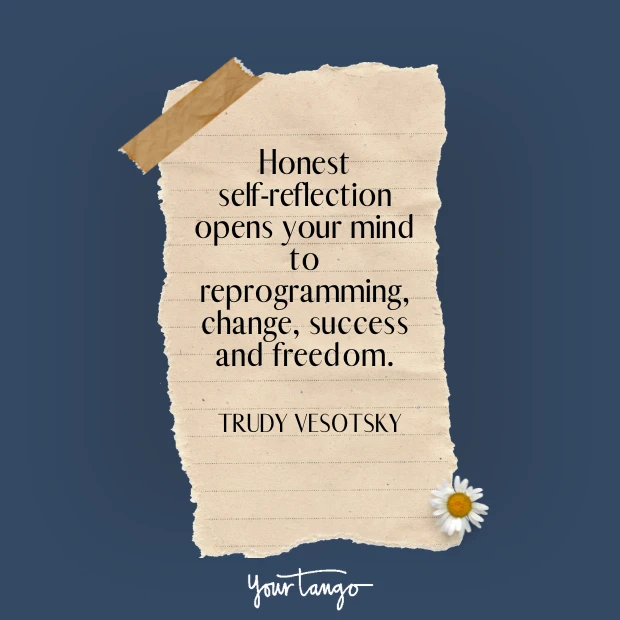
Remember, reflection is a relationship with yourself. Like all relationships, it deepens over time. The more you show up with honesty and gentleness, the stronger that connection becomes. At first, reflection might feel awkward or uncomfortable, facing your emotions, your patterns, and your truths often does. But with consistency, it transforms into something sacred, a quiet space where you can meet yourself without judgment. Over time, reflection becomes less about fixing yourself and more about understanding yourself. You begin to appreciate your own growth, to see your resilience, and to hold compassion for the moments when you fall short. Just as meaningful relationships require patience, listening, and care, so does your inner relationship. Through regular reflection, you learn to trust your intuition, honour your emotions, and celebrate your progress, no matter how small. This deepening connection builds self-respect and emotional stability — a reminder that peace doesn’t come from controlling life, but from aligning with your inner truth. So, take time each day to sit with yourself. Listen. Reflect. You’ll discover that the most enduring relationship you’ll ever nurture is the one you build with your own heart.
The Quiet Rewards of Self-Reflection!
The more you reflect, the lighter you begin to feel. You’ll notice:
- More emotional balance
- Better clarity in decision-making
- Deeper gratitude for small things
- Greater peace in solitude
You start seeing yourself not as someone who’s “stuck,” but as someone who’s unfolding.
Reflection helps you return to yourself, and that’s where true peace begins.
Final Words!
When life feels heavy and emotions seem hard to navigate, reflection becomes your quiet companion, a lantern guiding you back home. Unblocking yourself emotionally isn’t about becoming someone new. It’s about remembering who you already are beneath the noise: resilient, kind, and capable of healing.
Take time to sit with your heart. Write. Reflect. Breathe. In the stillness, you’ll rediscover your own wisdom, the part of you that’s been waiting patiently to be heard.
Wise Words For You!
“Reflection is not looking back with regret; it’s looking inward with understanding.”
Every reflection is a step toward peace. Every pause is a chance to begin again.
I truly hope this blog brought you a moment of reflection and inspiration.!