
Personal brand leadership is the new standard for leaders who want to differentiate themselves from the competition, connect with their customers or constituency, and be seen as real in their interactions with those groups. Everyone is discussing the subject, and with good reason. Personal branding has emerged not just as a topic that is currently trendy but also as one of the quickest routes to getting mindshare and customer/client buy-in. This is due to the fact that it is one of the most direct approaches. When it comes to directing teams using the personal brand leadership style, Personal brand leadership pushes the limit even further to create the concept of a personal brand.
Developing Trust, Credibility, and Authenticity in Those in Leadership Positions!
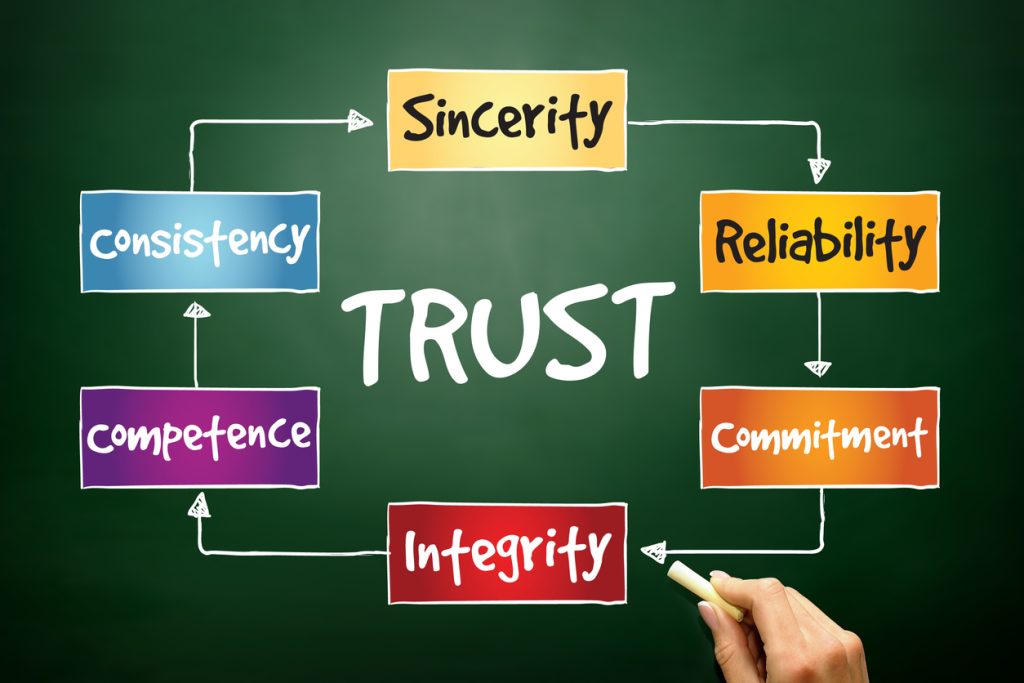
The leadership of a personal brand always starts with a story. And the story is yours to tell. The experiences, lessons, and bits of wisdom that can be gleaned from young children are used to establish operating principles.
These guiding concepts eventually evolved into guidelines, which the academic organization refers to as their “worldview.” This worldview shapes our point of view and the way we perceive the world, and our morals, values, and principles guide how we interact with it. In order to accomplish this, you will need to investigate your company’s history and provide specifics regarding the beginning of your brand.
It is difficult for many people, and it is beneficial to have someone guide or coach you through that process because it can be unpleasant and difficult, and many people become stuck.
Transparent communication and accountability!

However, after a person has gathered the data that is important to who they are as well as how and why they conduct themselves in the manner that they do, the task at hand becomes to link this data to the world.
When you think about the people with whom you have developed deep ties and about influential historical figures who have transformed the world or had a strong positive and permanent impact, you can begin to understand the force that this concept possesses.
They never failed to recount their account. When you expose the real you to the outside world, which requires a certain amount of bravery, you open yourself up to being evaluated and held responsible for your actions, which makes you vulnerable.
You discuss your inadequacies, mistakes, regrets, and other experiences such as these. In other words, you transition into human form. People are interested in conducting business with other people. Relationships with other humans are something that humans crave. The way the world functions is just like that.
Therefore, if you make an effort to appear more human and accept your share of flaws, others will find it easier to connect with you and respond to what you have to say. When you don’t stay or dwell in your mistakes but make the appropriate adjustments and you cope with challenges as stepping stones, they see themselves as being able to overcome challenges too, and until they do, they get to live vicariously through your ability to overcome their mistakes.
They have these epiphanies, me-too moments, and ah-ha moments as you tell your story.
Authentic leaders lead by example!
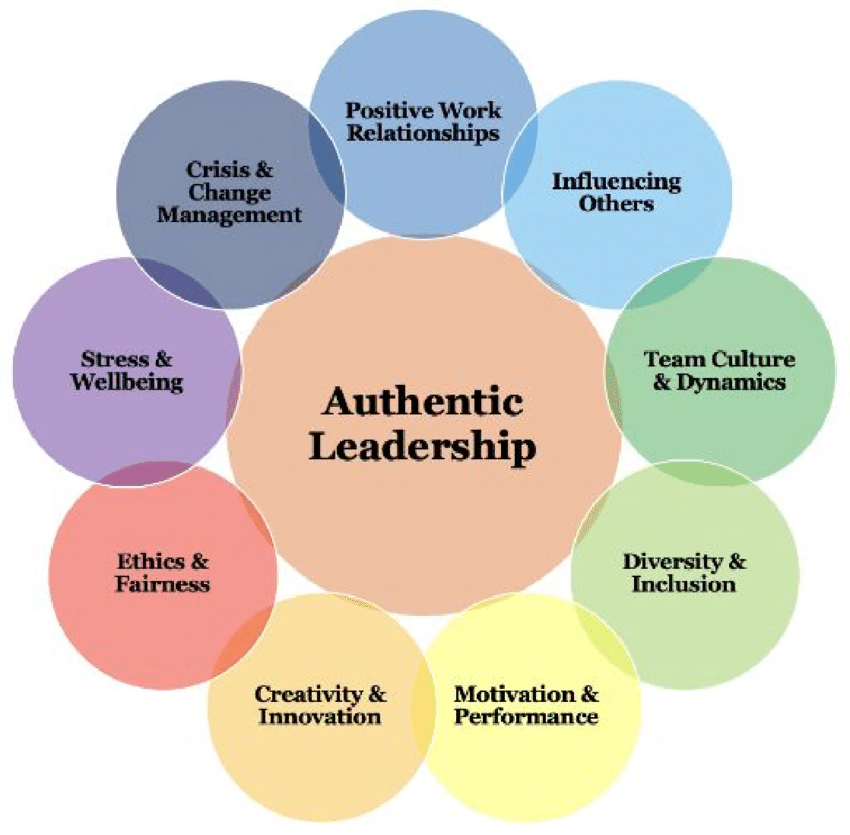
As a consequence of this, individuals find themselves feeling inspired and motivated, as well as inclined to continue growing and developing. This is the process by which the world is made into a better place.
It is for this reason that personal brand leadership is a style of leadership that looks forward rather than back into the past, unless it is to identify our strengths in order to give us more power for the next quantum leap.
How can one establish their own unique leadership style for their personal brand?
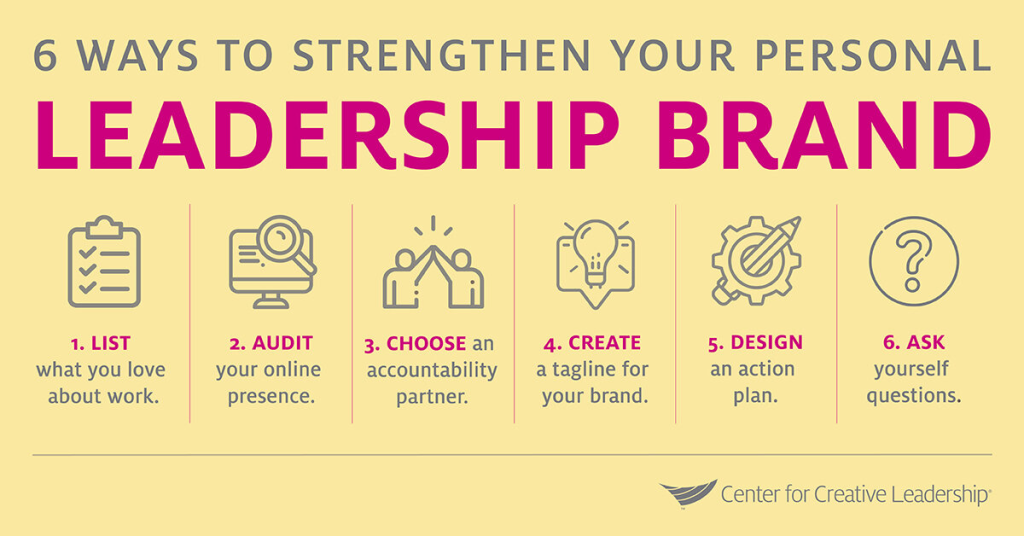
Self-reflection, self-awareness, and deliberate action are all necessary components in the process of developing a personal brand leadership style. The following are some measures that will assist you in developing a personal leadership style for your brand:
• Give some thought to the principles and ideals that guide your life. Determine the guiding principles that influence both the decisions you make and the way you act. These guiding principles will serve as the basis for developing a personal leadership style for your brand.
• You should evaluate yourself as a leader by conducting a self-evaluation to determine your strong and weak points. Gain an understanding of the areas in which you excel in terms of your expertise, skills, and talents, as well as the areas in which you may improve. You will learn how to integrate your personal brand with your leadership style with the help of this examination.
• Give some thought to what differentiates you from other people. Consider the experiences, qualities of character, and points of view that contribute to your one-of-a-kind leadership style. These unique qualities will help shape your personal brand leadership style and contribute to the formation of your personal brand.
• As a leader, you should figure out your long-term vision and your purpose. Define the goals you want to accomplish and the difference you want to make in the world. Your personal brand leadership style will get direction and significance if you have a crystal clear vision and purpose to guide it.
• If you want to establish a personal brand leadership style, authenticity is absolutely necessary. Accept who you truly are and maintain an authentic demeanor in all of your dealings with other people. Avoid making the mistake of attempting to replicate the mannerisms of another person and instead concentrate on capitalizing on your own capabilities and principles.
• Commentary from reputable mentors, coworkers, and other members of the team. Maintain an open mind and pay attention to the opinions and observations they have regarding the way you lead. Make use of this input to determine areas in which you can grow and improve.
• Make a commitment to continuing your education and improving yourself throughout your life. Maintain an up-to-date knowledge of the trends in the sector, work to improve your abilities, and look for opportunities to further your career. Embrace new experiences and difficulties that will allow you to develop and improve upon your particular brand of leadership style.
• Ensure that you effectively express your personal leadership style and brand to the other people. Be sure to communicate your beliefs, as well as your talents and vision. Maintain a consistent demonstration of the leadership style you possess through the behaviors, choices, and interactions you have.
Keep in mind that the process of establishing your own particular brand of leadership is an ongoing one. To develop into a better leader involves constant introspection, study, and adjustment of one’s approach. Maintain your authenticity, always be receptive to input, and work to consistently improve and develop your personal brand so that it aligns with your journey toward leadership and growth.
Who exactly does the task of personal brand leadership benefit?
Individuals in leadership positions!
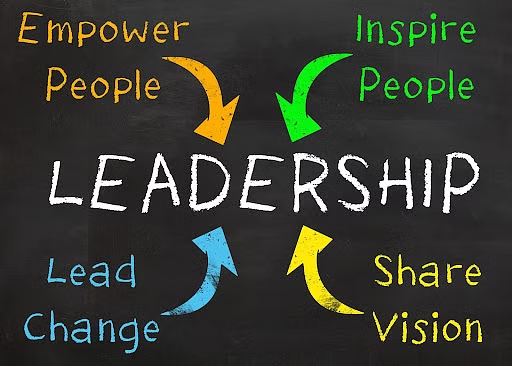
The concept of personal brand leadership is applicable to individuals in a wide variety of fields, professions, and jobs who aim to lead with authenticity, influence others, and make a positive effect in their respective communities. It is significant for executives, managers, entrepreneurs, professionals, public figures, emerging leaders, and even individuals in roles of leadership within nonprofit organizations or communities.
Personal brand leadership assists individuals in establishing their one-of-a-kind identities, cultivating trust, inspiring others, and effectively communicating their values and vision, regardless of the precise role they hold in the organization. Individuals may increase their influence, attract opportunities, and drive significant change in their distinct circles of influence by establishing an authentic personal brand for themselves.
Personal brand leadership is useful for everyone who is tired of pretending to be successful and who is actually interested in achieving their goals. It is useful for everyone who aspires to live an honest and sincere life, as well as to provide excellent service to their customers and everyone else with whom they interact, such as members of their family, coworkers, or investors.
Personal brand leadership means being able to be comfortable in your own skin and never having to remember your lines because you live an unscripted life. Relying on the lessons you have learned and what the (what we call the 3 Es) education, experience, and expertise obtained offer you next If you want to be the leader of your personal brand, you need to be able to do all of these 3Es.
Individuals who have a strong belief in themselves and their capabilities are most suited to take on the role of leader of their personal brand. It is useful for everyone who wants to take responsibility for their own professional and personal development, despite the field they work in or their position in the workforce. Individuals gain the ability to construct a powerful and genuine presence, express their one-of-a-kind value proposition, and confidently walk the road that they have chosen when they develop their personal brand leadership.
Whether you are an executive, a manager, an entrepreneur, or an emerging leader, creating a personal brand that is grounded in self-belief enables you to inspire others, drive good change, and generate opportunities that are in alignment with your interests and ambitions. Personal brand leadership may become a transforming force for reshaping your professional trajectory and having a real effect in the arena in which you choose to operate when you accept and capitalize on your inherent self-belief.
This is also relevant to the concept of living in flow, in which you draw from the never-ending supply of trust. When you do that, anxiety levels drop, and in their place come sentiments of appreciation, thankfulness, and general well-being. Instinct also becomes more prevalent. You may feel less depressed as a result of the fact that you are no longer attempting to be something that you are not, and you are at ease with the fact that you are not trying to be everything to everyone.
Overall, personal brand leadership benefits individuals, the organization they lead, and the various stakeholders associated with that organization, contributing to long-term success and growth.
What are the repercussions of the transition to the digital world?
Job Disruption and Automation
Social Media Influence and Misinformation
Economic Shifts and New Business Models
And many more. As we continue to navigate the digital world, addressing these repercussions is essential to harness the full potential of technology while mitigating its negative impact on individuals, communities, and society as a whole.
Because of the proliferation of all things artificial and automated in the name of progress and the greater removal of the human element from business, communications, and relationships, it is not only absolutely necessary but also more desirable for a person to be genuine. How many times have you answered the phone only to be greeted with an automated system or “bot” on the other end of the line?
How frequently do you find yourself receiving emails that you are aware were manufactured in some way? People, especially in the business world, are famished for genuine expressions of themselves, and the information is readily available.
Always and to everyone I speak with, I share this information with them: The ability to acquire knowledge is not difficult. On the other side, humanity is not nearly as important. Once a person has attained a specific wage grade in the workforce, their technical talents are no longer a differentiating factor. Everyone possesses them.
Everyone has the degrees, the letters, the memberships in social groups, and other credentials.
What aspects are lacking, and how can you set yourself apart from the competition?
Customer-Centric Approach: Understanding and addressing customer pain points and providing exceptional customer service can set you apart.
Personalization and Customization: Tailoring products, services, and experiences to individual customer requirements can be a differentiating factor.
Authenticity and Transparency: Demonstrating honesty, integrity, and genuine concern for customers can build trust and loyalty.
At this point, the only factors that differentiate one product from another are behavioral, social, interactive, and experience factors. The term “customer experience” refers to the total perception and interaction that customers have with a company or brand over the entirety of their journey, beginning with the first point of contact and continuing all the way through post-purchase support.
It includes every interaction that a customer has with a company’s goods or services, as well as with its personnel, websites, and social media platforms, among other things. It is crucial to provide a great experience for customers in order to generate customer loyalty, satisfaction, and advocacy, all of which have an effect on the reputation of a company as well as its bottom line. To effectively manage the customer experience, one must first have an understanding of the customer’s wants and expectations.
Now you can create seamless, customized experiences, deliver first-rate service, and continuously assess and enhance the customer’s trip. Businesses are able to differentiate themselves in a competitive market by placing a priority on and investing in the customer experience.
This strategy also helps to develop long-term partnerships and drives sustainable growth. The overall quality of the product for the customer is one of the two aspects of a company’s operations that the majority of its proprietors mistakenly believe should be automated in their never-ending hunt for the secret to sustainable scaling.
However, the last thing you want to do is scale your business to the point where it fails. This is something that happens when you try to grow your company too quickly, try to remove yourself from the equation, automate and outsource everything, and your company loses its personal touch.
In conclusion!
Personal brand leadership and placing a priority on the customer experience are both essential components in order to achieve success in the competitive and ever-changing modern business environment. Individuals gain the ability to inspire others and make an influence on a meaningful level by developing a genuine personal brand that enables them to express their own qualities, values, and vision. Concurrently, providing outstanding customer experiences is critical to the development of brand loyalty, customer happiness, and the expansion of a company’s market share. Organizations and individuals may separate themselves from the competition, develop strong relationships, and propel themselves toward sustainable success by combining personal brand leadership with a philosophy that is centered on the consumer. Embracing authenticity, maintaining self-belief, and maintaining a constant emphasis on the customer experience will unquestionably contribute to long-term growth, fulfillment, and great outcomes in both one’s personal and professional activities.