Have you ever carried a heaviness in your heart that words couldn’t quite explain? That lingering pain that sits quietly, yet shapes how you see yourself, others, and the world around you?
I know that feeling all too well. Life has a way of wounding us, often in places we didn’t even know existed. Sometimes it’s the hurtful words of someone we trusted, a betrayal that left us broken, or simply the disappointment of unmet expectations. But I also know this—healing truly begins when we choose forgiveness.
This isn’t about forgetting or pretending things didn’t happen. Forgiveness is a brave decision to stop carrying what was never ours to hold forever. It’s a powerful act of self-love—a gentle release that creates space for peace, clarity, and joy.
In this post, I’ll walk with you through how forgiveness can open the door to deep emotional healing, and how it’s not about them… It’s about reclaiming you. So take a deep breath, let’s talk heart-to-heart, and begin the journey to healing through the power of forgiveness.
How Forgiveness Helps You Heal!
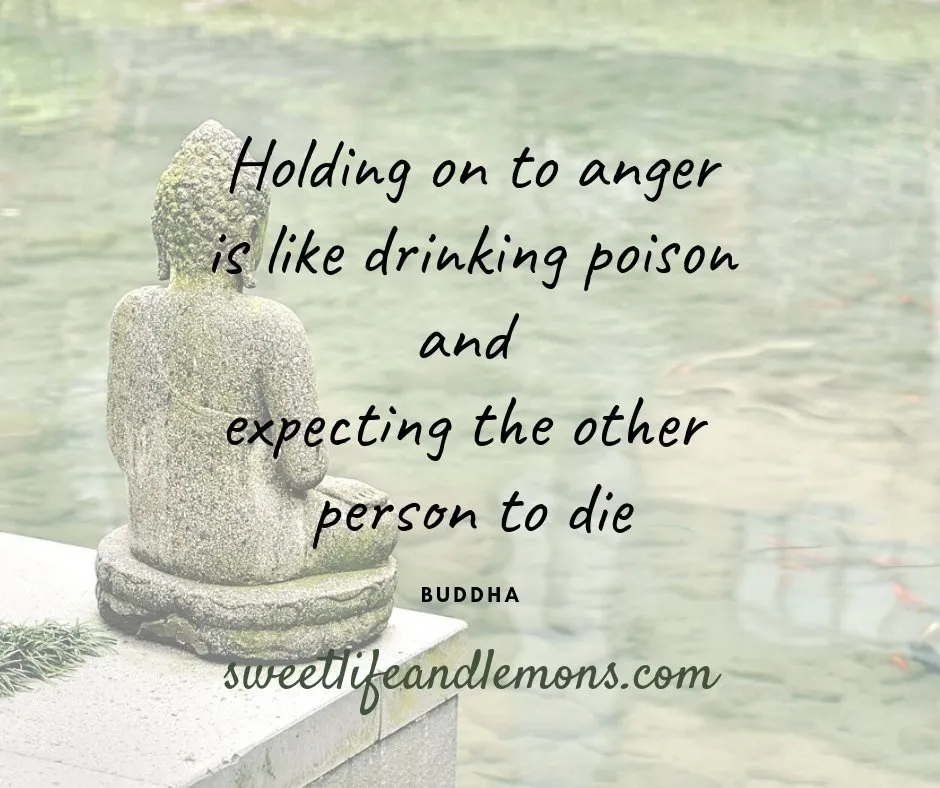
Forgiveness is one of the most powerful tools for emotional healing. When we hold onto anger, resentment, or deep hurt, we unknowingly keep ourselves tied to that painful experience. It becomes a burden that weighs on our hearts, clouds our thoughts, and affects how we connect with others. Forgiveness doesn’t mean we excuse what happened or forget the pain. Instead, it means we make a conscious choice to release the grip the past has on us. When we forgive, we set ourselves free.
Healing begins when we allow space for softness in our hearts again. That space opens when we shift from holding pain to choosing peace. Forgiveness helps us take back control over our emotions, offering us clarity and compassion — not just for others, but for ourselves. We begin to see the experience differently, not as something that broke us, but something that shaped us. True healing doesn’t come from external validation or revenge. It comes from within — from the quiet decision to let go and grow. That’s the beauty of forgiveness: it’s not for them, it’s for you. It’s your first brave step toward wholeness, peace, and a lighter way of living.
Steps to Forgive and Heal!

Forgiveness is a process, not a one-time decision. It begins with acknowledging the pain honestly — not pushing it aside, but allowing yourself to feel and name it. The first step is accepting that you were hurt and that your feelings are valid. From there, you can gently reflect on how this pain has affected your life, your relationships, and your sense of self.
The second step is understanding. This doesn’t mean justifying the wrong, but recognizing that hurt people often hurt others. Gaining perspective creates emotional distance between you and the wound, helping you see beyond the immediate pain.
Next, make a conscious decision to forgive — not because they deserve it, but because you deserve peace. Say it out loud or write it in a letter (you don’t have to send it). This step releases the power the situation holds over you.
Finally, let healing unfold with grace. You may need to revisit the decision to forgive more than once — and that’s okay. Forgiveness is a journey, not a finish line. Each step you take brings you closer to inner freedom, and slowly but surely, your heart begins to feel lighter.
Emotional Benefits of Forgiveness!

Forgiveness brings emotional relief like nothing else can. When you hold onto resentment, bitterness, or betrayal, your emotions live in a state of tension — sometimes quietly, sometimes explosively. Over time, this emotional buildup leads to stress, anxiety, and even depression. Forgiveness offers an emotional release. It helps you let go of the need for justice, closure, or revenge, and in doing so, it softens the tension inside.
The emotional benefits are profound. You start feeling lighter — mentally and physically. There’s less replaying of the past, fewer emotional triggers, and more room to feel joy, gratitude, and love again. Forgiveness also builds emotional resilience. You start trusting your ability to bounce back from difficult situations, knowing that your peace doesn’t depend on others — it comes from within.
By forgiving, you open the door to compassion and empathy, not just toward others but toward yourself. It helps you feel grounded and clear-minded. Emotions become more balanced. You begin to feel more present and connected in your relationships. The emotional transformation isn’t always immediate, but as you lean into forgiveness, it gently rebuilds your emotional well-being from the inside out.
Healing Trauma Through Forgiveness!
Healing trauma is never easy, and forgiveness can feel like the hardest part — especially when the pain runs deep. But forgiveness isn’t about letting the person off the hook. It’s about releasing yourself from the emotional hold that the trauma has on your life. Trauma lingers not just in memory, but in the body, mind, and soul. It affects your sleep, your relationships, your trust, and your self-worth.
Forgiveness can be a form of emotional reclamation. When you forgive, you say: “This pain happened to me, but it does not define me.” It’s a powerful act of reclaiming your narrative — not as a victim, but as a survivor who is healing with intention.
Forgiveness doesn’t mean forgetting or minimizing the trauma. It means making a sacred choice to prioritize your peace over your pain. Therapy, journaling, prayer, or inner work can support you through this. Forgiveness becomes part of your healing when you feel ready — not when others think you should be.
Every step toward forgiveness is a step toward healing your nervous system, calming your thoughts, and opening your heart again. It’s not easy, but it’s possible — and incredibly freeing.
Forgiveness and Self-Love!
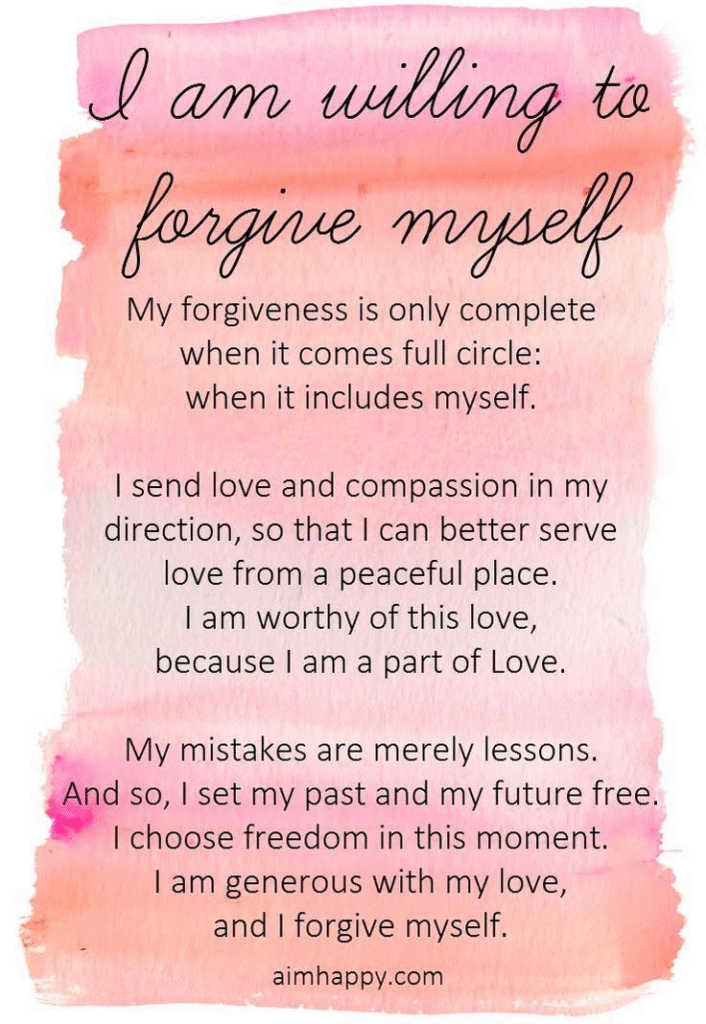
Forgiveness is one of the purest expressions of self-love. When we choose to forgive, we’re choosing to honor our peace, protect our energy, and soften the internal judgments that keep us stuck. So often we think forgiveness is something we give to others, but in truth, it’s a gift we give ourselves.
Self-love means choosing what’s best for your well-being. Holding onto bitterness might feel justified, but it slowly chips away at your joy. When you forgive, you affirm that you are worthy of peace and not defined by what happened to you. It’s a declaration that your story is still unfolding — and you are the one writing the next chapter.
Forgiveness towards yourself is just as important. We’re often our own harshest critics. Mistakes from the past, regrets, or shame can linger far longer than they need to. Forgiving yourself means recognizing that you are human, growing, learning — and still deserving of love.
The more you practice forgiveness, the more your self-worth deepens. You begin to see yourself with gentler eyes. And that, right there, is the foundation of self-love: treating yourself with the same kindness you wish to extend to others.
Forgiveness for Mental Well-Being!
Your mental well-being is deeply connected to your ability to forgive. When we hold grudges or dwell on past pain, we fuel cycles of overthinking, stress, and emotional exhaustion. Forgiveness offers a powerful reset for the mind. It allows us to release the thoughts that keep us stuck in the past and create space for clarity, focus, and peace.
Forgiveness doesn’t mean denying what happened — it means shifting how much mental energy you allow it to consume. It’s choosing not to relive the hurt over and over again. That shift can ease anxiety, improve sleep, reduce depressive thoughts, and create more emotional balance.
When you forgive, your thoughts begin to reflect hope instead of hurt. You feel more emotionally available and less reactive. It’s easier to concentrate, to be present, and to find joy in everyday moments. Forgiveness restores a sense of control over your internal world.
The simple act of letting go — even in small steps — creates mental lightness. It’s like clearing out mental clutter and making room for peace. If you care about your mind’s health, forgiveness isn’t just helpful — it’s essential.
Forgiving to Move Forward!

You can’t move forward if you’re still anchored to the past. Forgiveness is that gentle push forward — not because what happened was okay, but because you refuse to let it define your future. So often, we get emotionally stuck in moments of pain. We revisit them, analyze them, try to rewrite them in our minds. But healing and growth live on the other side of letting go.
Forgiveness helps you loosen the grip of what was and step into what can be. It’s not about forgetting — it’s about freeing. Freeing yourself from old stories, from emotional baggage, from the loop of “what ifs” and “why me.”
When you forgive, even silently and slowly, you open a path for possibility. You begin to dream again. You allow yourself to imagine a future that isn’t shaped by someone else’s wrongs. Forgiveness clears the emotional fog and let you see what’s ahead more clearly.
The beauty is, every small act of forgiveness — whether toward others or yourself — becomes a stepping stone. And with each one, your heart gets lighter, your vision clearer, and your path forward brighter.
Spiritual Healing Through Forgiveness!

Forgiveness is a deeply spiritual act. It connects us to something greater than ourselves — a sense of divine grace, inner wisdom, and sacred peace. When we forgive, we release our desire for control or justice, and surrender to trust — trust that healing will come, even if we never get an apology. It’s a moment of choosing faith over fear, love over resentment.
Spiritual healing through forgiveness doesn’t require religion. It simply invites you to go inward, to connect with the deeper part of yourself that seeks peace, unity, and wholeness. You begin to feel more aligned with your soul’s purpose. You’re no longer weighed down by the pain of the past — you’re uplifted by the grace of your present awareness.
Prayer, meditation, reflection, or even time in nature can help facilitate this spiritual release. In those quiet moments, you realize that forgiveness is not weakness — it’s divine strength. It’s a sacred letting go that transforms you, softens you, and strengthens your spirit.
When you forgive from a spiritual place, you don’t just heal a wound — you rise. You become someone new. Someone free, whole, and rooted in love.
Wise Words!
Forgiveness is not about forgetting, nor is it about excusing hurtful actions. It’s about reclaiming your power, your peace, and your ability to move forward with grace. Whether you’ve been hurt by others, wounded by life, or carry guilt from your own mistakes, the path to healing begins with a decision — a quiet, brave choice to forgive.
You choose to soften the hard places in your heart and to open yourself to peace, clarity, and joy. It doesn’t happen all at once, and that’s okay. Healing is a journey, not a race.
Be gentle with yourself. Let forgiveness become a part of your daily rhythm — a sacred space where you meet yourself with compassion, release old stories, and welcome new beginnings. May you find the strength to forgive, the courage to heal, and the grace to walk forward with a heart that is whole, open, and free.