The psychology of hard work and perseverance is a fascinating look at human resilience and determination. It explores the mind’s internal workings, revealing what drives people to overcome obstacles, push limits, and achieve greatness. Understanding this psychology gives us hope and encourages us to persevere in a society that frequently offers rapid rewards. In this psychological terrain, we encounter grit and resilience, the foundations of lasting achievement. An unshakeable conviction in one’s potential fuels the capacity to weather storms, overcome setbacks, and keep going. As we learn to forgo instant rewards for future success, delayed gratification becomes appealing. We learn that self-efficacy and confidence drive continuous effort through the mind’s conviction in its own skills. Passion is the compass and gasoline that fuel hard labour. We learn how to use our deepest wants to achieve our goals without burnout by balancing harmonic enthusiasm and obsessive obsession. We learn about emotional regulation—the ability to handle displeasure, worry, and self-doubt. Effective coping skills and emotional intelligence are the foundation of our psychological toolkit. The psychology of peer pressure is illuminated when we examine how social networks affect our goal-setting. We also learn that habit building requires more than willpower and requires a well-designed routine and discipline. This investigation of the psychology of hard effort and endurance gives us the information and drive to overcome obstacles, defy restrictions, and build a better future through unflinching devotion. Let’s go together and use this information to inspire your own incredible achievements.
| Table O Contents |
| Self-determination and its impact on perseverance! |
| Developing a growth mindset to enhance perseverance! |
| Impulse control and its connection to hard work! |
| The relationship between self-belief and sustained effort! |
| Balancing passion with burnout prevention! |
| Coping mechanisms for handling stress during long-term endeavors! |
| The psychology of peer pressure in promoting diligence! |
| In Conclusion! |
Self-determination and its impact on perseverance!

Self-determination, also known as the internal drive that is responsible for our actions and decisions, is the guiding light that shows us the way down the path of endurance. It is our firm conviction that we have the freedom to direct our own destinies, determine what we want to do, and take the actions that are necessary to get there. Because of this powerful psychological idea, we have the ability to maintain our dedication even when confronted with difficult obstacles and disappointments.
When we have a strong feeling of self-determination, our motivation comes from within, motivated by our own values, ambitions, and aspirations. When we do not have a strong sense of self-determination, our motivation comes from without. Regardless of the conditions that surround us, it is the force that is inside us that drives us onward. We transform into the builders of our aspirations and plot our path with a tenacious spirit that is unyielding in the face of opposition.
Self-determination functions as a sturdy shield, protecting us from feelings of discouragement and uncertainty when we are confronted with challenges. It reminds us that the destination is worth every effort, which strengthens our will to persist despite the fact that the route itself may be challenging. We don’t give up on our objectives when we face obstacles; rather, we see them as chances to improve ourselves, broaden our perspectives, and readjust our strategies.
Self-determination also encourages the development of a strong sense of responsibility for our activities and the results they produce. We recognize that both our successes and our failures are direct results of our own decisions and labour, and we accept full responsibility for both of these outcomes. This self-awareness helps to build resilience by making us aware that every action we take, no matter how small it may seem at the time, adds to our overall success.
It serves to remind us that our objectives are not only ambitions but rather promises that we have made to ourselves, and it inspires us to keep moving ahead regardless of how difficult the ascent may be. Self-determination allows us to tap into an inner reservoir of strength and resolve, which enables us to overcome challenges and bring our most aspirational aspirations to fruition. When we embrace self-determination, we do this. Always keep in mind that you are the one in charge of your trip, and if you use self-determination as your guide, there is no ceiling to what you may accomplish.
Developing a growth mindset to enhance perseverance!

To strengthen one’s capacity for endurance, it is essential to cultivate a development mentality. Adopting this mentality entails acknowledging that one’s skills and intellect are not innate but may be developed through the application of focus and labour rather than being viewed as predetermined characteristics.
Instead of being seen as insurmountable obstacles, setbacks are seen through the lens of possibilities for learning and progress when one has a growth mindset. People who have a growth mindset view obstacles as opportunities for personal development and view overcoming them as a necessary step on the path to becoming experts in their field. They are aware that consistent work is the key to growth, and it is for this reason that they have faith in the transformative potential of tenacity.
This frame of mind cultivates a quest for knowledge as well as the drive to persevere in the face of hardship. Individuals who adopt a development mindset are better able to sustain their level of drive and passion over the course of their lives. They do not see their failures as a representation of their intrinsic value but rather as transitory setbacks that can be overcome by persistent effort and learning.
The notion of hard labour is transformed from a burden into a source of empowerment when an individual cultivates a development mentality, which is essentially the same thing. It instils the notion that we can accomplish extraordinary progress and success in whatever task we attempt, provided that we dedicate ourselves fully and remain steadfast in our efforts.
Impulse control and its connection to hard work!

The capacity to exercise self-control over one’s impulses and to withstand immediate temptations and diversions in favour of one’s long-term objectives is an essential component of laborious effort and dogged persistence. It functions as a protector of our focus and drive, enabling us to remain on track in spite of the temptation of instant satisfaction.
Those who have a high ability to control their impulses are able to put off receiving smaller rewards in the near term in order to accumulate larger ones in the long run. This ability is particularly important in the fast-paced society we live in today, where quick satisfaction is so easily accessible. It gives people the ability to keep their dedication to a work or goal, even when they are confronted with boredom, irritation, or the urge for instant pleasure.
Regulating one’s impulses is an essential component of effective time management. It gives people the ability to prioritize activities that contribute to their long-term goals over those that provide instant gratification, but only for a short period of time, and successfully spend their time and energy as a result. This capacity to make disciplined decisions encourages the habit of hard work since individuals continually choose the road of delayed gratification because they recognize that it leads to higher successes in the long run.
In a nutshell, the ability to regulate one’s impulses is the watchdog of endurance. It enables individuals to maintain their dedication to their objectives, fight off distractions, and make decisions that put long-term success ahead of short-term pleasure. Those who want to create a strong work ethic and attain long-lasting success must devote time and effort to the development of this talent.
The relationship between self-belief and sustained effort!
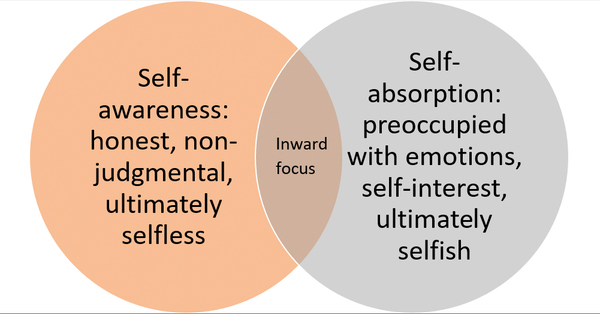
Individuals are able to drive themselves to incredible heights of performance when they have a strong link between self-belief and consistent effort. This synergy is a tremendous force. Self-efficacy, which is synonymous with self-belief, is the deep-seated conviction that an individual possesses the capabilities necessary to successfully complete particular endeavors or achieve particular objectives.
People who have a high level of self-belief are more likely to put in consistent effort toward the goals they have set for themselves in their endeavors.
This link is rather complicated and goes both ways. When individuals have confidence in their talents, they have a greater desire to devote time and effort to their pursuits because they anticipate being successful in those endeavors.
This expectation of success becomes a self-fulfilling prophecy as a result of the fact that their consistent effort and hard work frequently lead to favorable outcomes, which in turn reinforces their conviction in their own capabilities.
On the other hand, consistent effort has the potential to boost one’s level of self-belief. Building a history of successes requires not giving up on achieving one’s objectives, regardless of the obstacles that may be encountered along the way. Each incremental achievement leads to the expansion of an individual’s feeling of self-efficacy, which in turn further motivates people to continue and take on more substantial difficulties.
Self-confidence and consistent effort combine to provide a positive feedback loop that encourages people to pursue their objectives with unyielding zeal. When self-belief increases, so does the dedication to persistent work. When persistent effort is maintained, self-belief flourishes, which eventually leads to greater accomplishments and personal development.
Balancing passion with burnout prevention!

Achieving long-term success while also taking care of one’s health and well-being is a delicate and necessary balancing act: one must avoid burnout while also pursuing their passions. Our commitment and excitement for the things we pursue are fuelled, in large part, by the passion we feel for those things. It inspires us to put in countless hours of labour and pursue our objectives with an unflinching dedication.
On the other hand, if you let your enthusiasm run wild and unchecked, it might result in burnout, which is a dangerous state characterized by mental and physical tiredness. Finding a point of balance is the most important step. When people are able to harness their enthusiasm in a strategic manner, they are able to maintain their efforts for extended periods of time without becoming exhausted. This requires establishing limits, engaging in self-care practices, and being aware of the early warning signs of burnout.
In order to maintain one’s physical and mental health, it is essential to practice effective time management, take breaks on a regular basis, and learn how to relax. Those who are driven by their passions have a greater chance of sustaining their endurance when they strike a healthy balance between their personal and professional life. They may guarantee that their passion continues to serve as a source of inspiration rather than a source of stress by adopting a holistic attitude to life.
In its purest form, passion is an incredible driver of motivation; yet, in order to avoid burnout, it must be balanced with self-awareness and proper self-care. When people’ pursuits of their passions and the prevention of burnout are harmoniously integrated, it enables those persons to accomplish their goals while maintaining their health and ongoing excitement.
Coping mechanisms for handling stress during long-term endeavors!

Maintaining mental and emotional health while working long-term requires stress management. Some successful coping mechanisms:
Meditation and mindfulness help people stay grounded and minimize stress. They can regulate negative thoughts and emotions, boosting resilience and focus.
Rest and breaks are essential during long hours of work. Relax, prevent burnout, and restore mind and body. Stress management and cognitive function require enough sleep.
Goal Chunking: Break long-term goals into smaller, doable activities. This avoids overload and gives each milestone a sense of success.
Share your struggles and accomplishments with friends, family, or a support group. Conversation may give emotional comfort, support, and fresh insights.
Time Management: The Pomodoro Technique can help people prioritize activities, eliminate procrastination, and lessen deadline stress.
Regular exercise releases endorphins, which reduce stress and improve happiness. It also improves sleep, reducing tension over time.
Refute negative self-talk with optimistic affirmations. Be growth-minded and focus on progress, not goals.
Seek Professional Help: If stress becomes unbearable, consult a therapist or counsellor for personalized advice and coping skills.
Long-term projects may be tackled with resilience, less stress, and increased success by adopting these coping methods into daily life.
The psychology of peer pressure in promoting diligence!

When used in a constructive way, the psychology of peer pressure may be a very effective instrument for diligent behaviour. It is common for negative connotations to be attached to the concept of peer pressure; but, when it is handled in a way that is helpful and constructive, it is also capable of serving as a driving factor.
When people are in a setting with other people, they may feel a great urge to live up to the expectations and standards that their fellow group members have established. Because of this sense of belonging and shared purpose, there is the potential to cultivate a constructive sort of peer pressure that drives diligence. It is possible for people to be inspired to work harder and remain devoted to a shared goal when they witness their peers working hard and remaining dedicated to the same objective. This may help create a culture of diligence and excellence.
The fear of letting down one’s peers or of being regarded as less devoted than others may be a powerful motivator for individuals to persist despite difficult circumstances. The desire to keep a good reputation within a group may be a powerful incentive that encourages careful and conscientious action on the part of the individual.
Peer rivalry, whether it takes place in an academic or professional context, may be an effective way to motivate individuals to work harder so that they can surpass their coworkers or other peers. Individuals might be motivated to improve their talents and work ethic by engaging in healthy competition, which can inspire them to put in more effort.
Nevertheless, it is crucial to establish a balance, since excessive peer pressure can lead to stress and burnout if it is not managed properly. Instead of coercion or undue stress, positive social pressure in the context of diligence should be built in mutual support, shared goals, and a healthy competitive spirit. Positive peer pressure should not be seen as a substitute for coercion. The psychology of peer pressure has the potential to be a catalyst for diligent and high-achieving behaviour when it is applied appropriately.
In Conclusion!
Individuals are guided along their path toward accomplishing their objectives by a complex web of incentives, beliefs, feelings, and social interactions that make up the psychology underlying hard effort and tenacity. It is a demonstration of the extraordinary potential of the human spirit to triumph over adversity and strive for perfection. The initial spark that ignites the fires of diligence might come from either an internal or external source of motivation; either way, it acts as an essential component.
The ability to have perseverance and resiliency, in conjunction with the capacity to put off gratification, is the bedrock upon which long-term success is constructed. Individuals are motivated to persevere even in the face of hardship when they have a strong sense of both their own self-efficacy and self-belief. The enthusiasm that drives our efforts requires that we strike a balance in order to avoid burnout, and the ability to regulate our emotions is an extremely useful tool when it comes to navigating the highs and lows of any pursuit. It is essential to maintain healthy relationships since social support and the psychology of peer pressure may either help or hurt our efforts, highlighting the need of building meaningful connections.
Last but not least, the ability to manage one’s impulses and successfully create habits enables individuals to maintain their devotion over an extended period of time. When all of these factors come together, individuals are given the ability to go on a path of unflinching resolve, which will finally result in their accomplishing their goals and attaining their maximum potential. The door to a world of possibilities and an expanded sense of one’s own potential can be opened to one who is willing to put in the effort and stick with a task to completion, guided by an in-depth knowledge of the psychological forces at play.