There comes a quiet moment in life when you realize that motivation is not always going to show up for you. Some days, you wake up energized and ready. Other days, even the simplest task feels heavy. And in that space between wanting to do better and actually doing better, discipline is born.

Discipline is not loud. It does not announce itself with excitement or applause. It shows up quietly, in the choices you make when no one is watching. It is in the decision to keep going when you feel like stopping, to choose growth over comfort, and to stay committed even when the results are not immediate.
Self-control, on the other hand, is your inner anchor. It steadies you when distractions pull at you, when emotions rise, and when old habits try to reclaim their place. Together, discipline and self-control are not about restriction, they are about freedom. The freedom to live intentionally, to build something meaningful, and to become the person you know you are capable of becoming.
This journey is not about perfection. It is about awareness, small shifts, and consistent effort. It is about learning how to gently guide yourself back on track, again and again. A lot of us would benefit from better discipline and self-control. These are the qualities that let us say no to temptations and do difficult — and sometimes boring — things so we can achieve our goals.
The good news is you can build discipline and self-control with some surprisingly simple steps.
Start a routine small and stay consistent!
Building a routine of good habits is a great way to keep yourself from getting distracted by temptations or making impulsive choices. When something becomes a routine, you don’t have to think about it, you just do it!
Start small. It’s easy to say “start a routine,” but starting a routine already takes self-discipline! So start by choosing something small, like exercising for 10 minutes a day, or always turning off your phone 30 minutes before bed. Building these small routines will give you a sense of accomplishment. And as you build routines for small things, you can put them together to create bigger routines and reach bigger goals.
Stay accountable. Try to find someone who has similar goals and share your progress with them. This will make it easier for you to keep going. If you don’t know someone like that, try a journal. You can also write down your goals and what you feel good about achieving.
Be kind to yourself. Self-discipline takes time. Trying to be perfect right away can leave you feeling burnt out, which makes you less able to make good choices. You’ll make mistakes, what’s important is how you come back from them.
Discipline Begins with Self-Honesty!
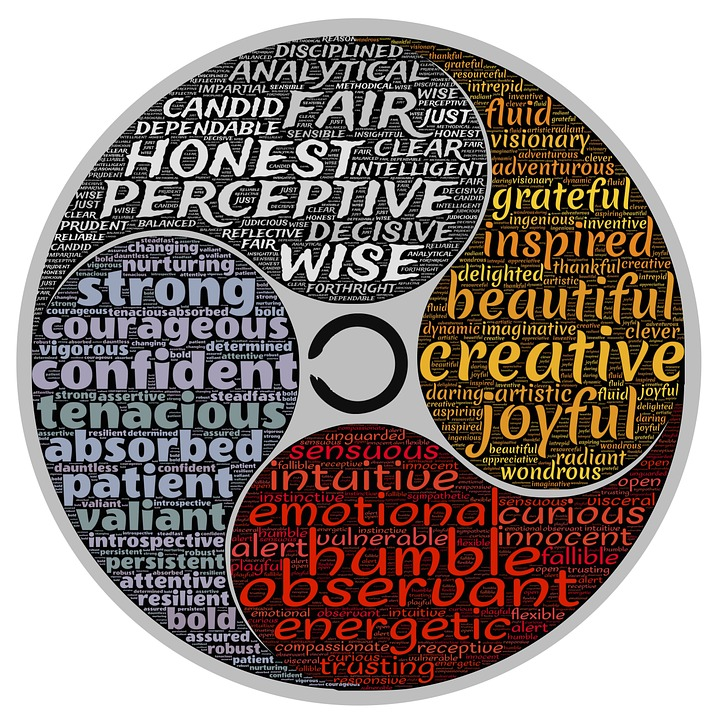
Before you can build discipline, you have to face yourself honestly. Not harshly, not critically, but truthfully. Many of us struggle with discipline not because we are lazy or incapable, but because we avoid looking at our patterns. We tell ourselves stories like “I’ll start tomorrow” or “I just need to feel motivated first.” But deep down, we know when we are delaying, when we are choosing comfort over growth.
Self-honesty asks you to pause and reflect:
- What am I avoiding?
- Where am I inconsistent?
- What habits are holding me back?
This is not about guilt. It is about awareness. Because once you see your patterns clearly, you begin to take ownership. Discipline grows from ownership.
When you take responsibility for your actions, without excuses, you begin to reclaim your power. You stop waiting for the perfect mood or the right moment. You begin to understand that the life you want is built through daily choices, not occasional bursts of effort.
Self-honesty is the foundation. Without it, discipline cannot take root.
Small Daily Choices Shape Powerful Habits!
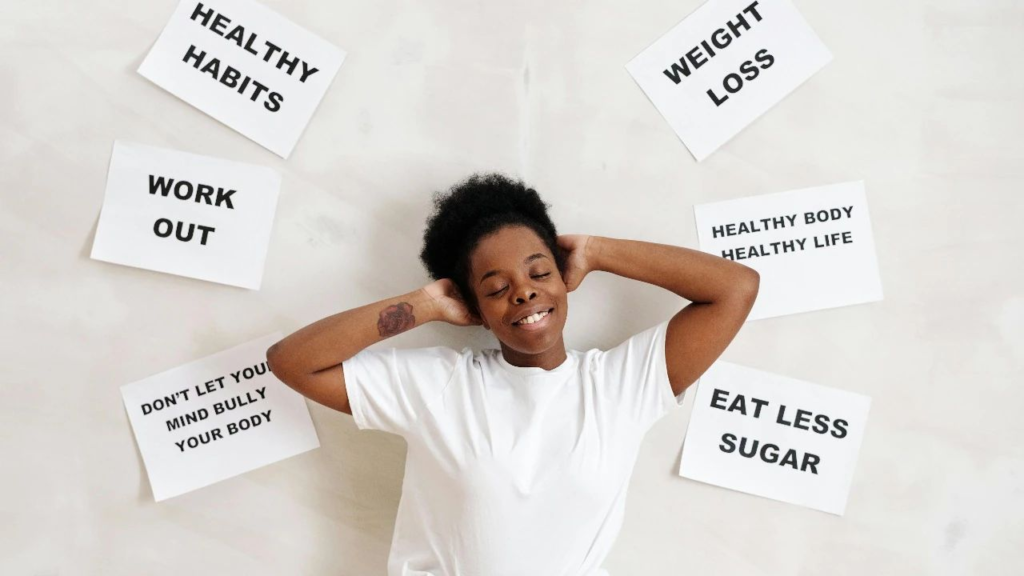
Discipline is not built in one big decision. It is built in small, repeated choices. The truth is, most people overestimate what they can do in a day and underestimate what they can do in a year. Real transformation does not come from drastic changes, it comes from consistency.
It could be something as simple as the following:
- Waking up 15 minutes earlier
- Choosing to cook a healthy meal instead of ordering out
- Spending 20 minutes learning something new
- Showing up for your goals even when you don’t feel like it
These small actions may seem insignificant in the moment, but over time, they compound.
Think of discipline like a muscle. The more you use it, the stronger it becomes. Every time you follow through on a commitment, no matter how small, you are reinforcing a new identity. You are telling yourself, “I am someone who shows up.“
And that identity shift is powerful. Instead of focusing on being perfect, focus on being consistent. Some days will feel easy. Others will feel like a struggle. What matters is that you continue. Consistency builds confidence. And confidence strengthens discipline.
Learn to Sit with Discomfort Without Escaping!

One of the biggest barriers to discipline is the inability to sit with discomfort.
We live in a world that offers constant distraction. The moment something feels difficult, we reach for our phones, scroll endlessly, or find ways to avoid the task at hand. But discipline requires you to stay.
To stay when it’s boring.
To stay when it’s challenging.
To stay when you feel like giving up.
Discomfort is not a sign that something is wrong. It is often a sign that you are growing.
When you learn to sit with discomfort, you build self-control. You begin to understand that feelings are temporary. The urge to quit, to procrastinate, to indulge, it will pass if you do not act on it immediately.
The next time you feel resistance, pause. Take a breath. Give yourself five more minutes before you decide to stop. Often, those five minutes turn into ten, and then twenty. Discipline is not about forcing yourself harshly. It is about gently extending your capacity to stay present. Over time, what once felt uncomfortable begins to feel normal. And what once felt impossible becomes part of your routine.
Create an Environment That Supports Your Growth!

Discipline is not just about willpower. It is also about the environment. If your surroundings constantly tempt you to fall back into old habits, discipline becomes much harder to maintain. But when you intentionally shape your environment, you make self-control easier.
Look around your daily life:
- Is your space organized or cluttered?
- Are you surrounded by distractions or focus?
- Do your habits align with your goals?
Sometimes, the smallest changes can make the biggest difference.
If you want to read more, keep a book within reach.
If you want to eat healthier, prepare your meals ahead of time.
If you want to spend less time on your phone, create boundaries around screen use.
Your environment should work with you, not against you.
Also, consider the people you surround yourself with. Energy is contagious. When you are around individuals who are focused, disciplined, and growth-oriented, it naturally influences your own behavior. You don’t have to do this journey alone, support matters.
When you create an environment that reflects the life you want, discipline becomes less of a struggle and more of a natural flow.
Forgive Yourself, But Never Give Up on Yourself!

Perhaps the most important part of building discipline is learning how to handle setbacks. You will have days where you slip. Days where you procrastinate, give in to distractions, or fall back into old habits. This is not failure. This is part of the process. What matters is how you respond.
Many people give up on discipline because they expect perfection. The moment they make a mistake, they feel discouraged and stop trying altogether. But true discipline is not about never falling, it is about always getting back up.
Forgive yourself quickly. Do not dwell in guilt or self-criticism. These emotions do not help you grow. Instead, reflect on what happened, learn from it, and move forward.
Ask yourself:
- What triggered this setback?
- What can I do differently next time?
Growth comes from awareness and adjustment. The most disciplined people are not those who never struggle, they are those who keep going despite the struggle. Be patient with yourself. Be kind to yourself. But also remain committed to yourself. Because at the end of the day, discipline is not something you build overnight. It is something you cultivate over time, through effort, reflection, and persistence.
Wise Words!
Building discipline and self-control is one of the most powerful things you can do for your life. Not because it makes life easier, but because it makes you stronger. It teaches you to trust yourself. To rely on your actions rather than your moods. To stay committed to your goals even when the journey feels long. There is something deeply empowering about knowing that you can guide your own life.
You are not controlled by impulses, distractions, or temporary emotions, and you have the ability to choose, again and again, what truly matters. This journey will not always feel exciting. It will not always feel rewarding in the moment. But over time, the results will speak for themselves. And most importantly, a quiet confidence that comes from knowing you showed up, even when it was hard. Never forget, every disciplined choice you make is a step toward becoming the person you were meant to be.