
My understanding of what it means to be financially aware has evolved over the years as a direct result of the alterations that have taken place in my life. When I first started my road toward better personal finance, the way I shopped, created a budget, and saved money was very different from how I do those things now.
Prioritizing vital activities can contribute significantly to 80%!

Prioritizing the vital few activities that contribute significantly to 80% of my success and happiness has been a transformative approach to living a fulfilling life. By honing in on the key actions that yield the most impactful results, I’ve been able to streamline my efforts and focus on what truly matters.
Whether it’s excelling in my professional endeavors, nurturing meaningful relationships with loved ones, or investing in my personal growth and well-being, identifying these critical aspects has allowed me to allocate my time and energy more effectively.
Embracing the 80/20 principle has empowered me to let go of distractions and non-essential tasks, enabling me to create a balanced and purpose-driven lifestyle that consistently brings me closer to my goals and, ultimately, cultivates lasting happiness and fulfillment.
Streamline your finances and apply the 80/20 rule!
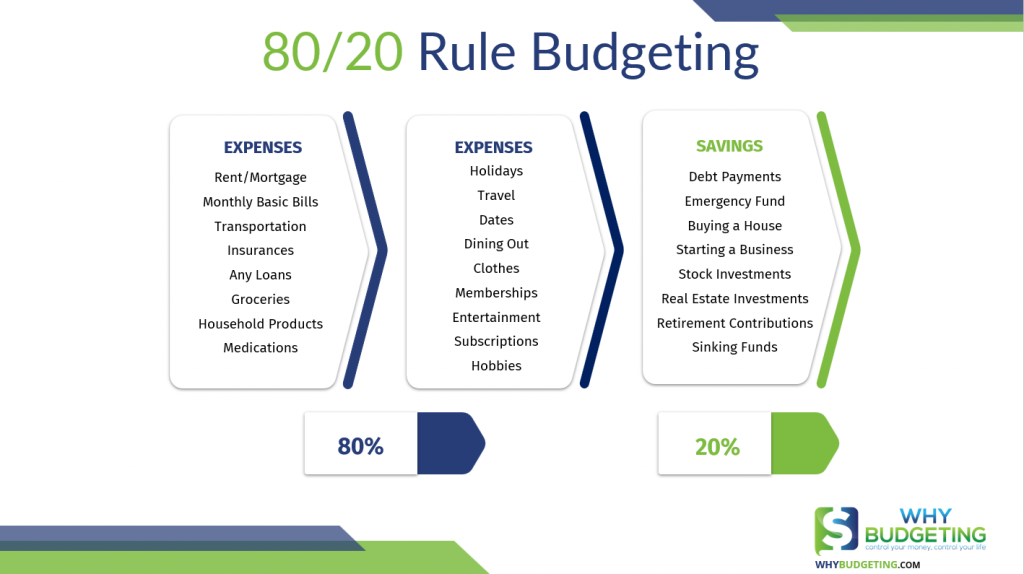
Applying the 80/20 rule to my finances has been a game-changer in achieving financial stability and growth. By identifying the 20% of financial decisions and actions that have the most significant impact on my overall financial well-being, I’ve been able to streamline and optimize my financial strategies.
This means focusing on key areas such as high-yield investments, cutting unnecessary expenses, and prioritizing income-generating opportunities that contribute the most to my financial success. By aligning my financial choices with the 80/20 principle, I’ve been able to make more informed and effective decisions, allowing me to save, invest, and grow my wealth while avoiding unnecessary financial stress and burdens.
This approach has provided me with greater financial freedom and security, giving me the peace of mind to pursue other passions and priorities in life.
Minimizing Costs to the Greatest Extent Possible!
Minimizing costs to the greatest extent possible is a fundamental principle in financial management and the application of the 80/20 rule can be highly beneficial in achieving this goal. By identifying the 20% of expenses that have the most significant impact on your overall financial situation, you can focus your efforts on reducing or eliminating them. Start by scrutinizing your largest expenses, such as housing, transportation, and food, and seek ways to cut unnecessary costs in these areas. Consider negotiating bills, finding more affordable alternatives, and eliminating expenses that don’t align with your priorities. Additionally, adopting a minimalist lifestyle and avoiding unnecessary purchases can further contribute to cost reduction. By consistently applying the 80/20 principle to your financial decisions, you can effectively minimize costs and allocate more resources toward your financial goals, leading to greater financial independence and flexibility in the long run.
Living frugally was absolutely successful!

Living frugally has been a resounding success for me over the past few years. By diligently adhering to a frugal lifestyle, I have significantly reduced unnecessary expenses, eliminated debt, and bolstered my savings.
Budgeting has become second nature, enabling me to make informed financial decisions and prioritize essential needs. Embracing minimalism has not only reduced clutter but also brought a sense of contentment and gratitude for the simple joys in life.
Smart shopping and DIY endeavors have allowed me to save on everyday items and learn valuable new skills. Moreover, the emphasis on long-term financial goals and disciplined saving and investing has laid the foundation for greater financial independence and security.
Living frugally has not felt restrictive but rather empowering, providing me with peace of mind and confidence in my ability to handle financial challenges and pursue opportunities that align with my values and aspirations.
Managing one’s finances was not nearly as complicated as it is today. When you have no money left over after paying for necessities like food, rent, and school, coming to a decision about how to spend it is simple: the answer is always “no.” At the time, I had the misconception that being financially savvy was equivalent to living a thrifty lifestyle like this one.
An Analysis of My Thrifty Pattern!
Even though we achieved a lot of our objectives with the support of our extremely thrifty way of life, I’ve learned through greater experience that a stringent budget isn’t the only solution to monetary issues.
My past experiences have taught me that there is a threshold beyond which reducing one’s expenditures is no longer beneficial. For a number of years, we lived in an apartment where we consciously decided not to pay for internet access.
Because of this, I was unable to keep a close eye on our expenditures and was unable to take advantage of any opportunities to generate more income by selling stuff online (because I didn’t pay for a smartphone either). You can live cheaply on a diet of beans and rice, but if you don’t diversify your eating habits, you’ll eventually have digestive and nutritional issues.
I have come to the understand that it would have been far simpler for me to concentrate on increasing my income. There is a cap on the minimum amount of money that can be saved, but there is no cap on the maximum amount of money that may be earned.
I’ve developed the ability to evaluate my priorities!

I still consider myself to be a reasonably frugal person, but these days I’m more focused on finding ways to increase my income than on finding ways to reduce my outgoings. When it comes to my finances, I concentrate on the essentials like accommodation, food, transportation, and medical care.
I make the most of the money I can save in those categories, keep a close check on the amount of money I spend on other things to make sure it doesn’t go out of hand, invest in assets that will increase my future wealth, and put money aside for unexpected expenses.
That leaves enough room for me to continue my soda habit and visit the local taco business once in a while. The 80/20 rule applies very reliably in my situation; since I optimize 80 percent of my budget, the remaining 20 percent isn’t worth closely examining.
I perform a quick assessment of our spending whenever money is tight, and then I focus on scaling up my business to improve my revenue. This has happened multiple times since the days when I was selling products as a multilevel marketer.
I had minimal marketable abilities and professional contacts that I now have as a result of this reflex. As a result of this reflex, I not only have a greater net worth, but I have also developed skills that are in demand.
Even if my perspectives on the need for financial literacy have evolved, I feel obligated to show a lot of compassion for my past and the learning that I have gained, making the most of the opportunities and constraints that were available to me at the time.
Focus on continuous learning!
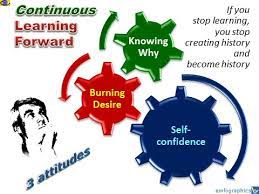
Focusing on continuous learning is a powerful approach that has had a profound impact on my personal and professional development. By embracing a growth mindset and seeking out opportunities to acquire new knowledge, skills, and experiences, I have been able to stay adaptable and resilient in the face of challenges.
Whether through formal education, attending workshops and seminars, reading books, or engaging with online resources, I have made learning a priority in my life. Continuous learning has not only allowed me to deepen my expertise in my chosen field but has also opened doors to exploring diverse interests and disciplines.
It has sparked creativity, encouraged innovation, and broadened my perspective. Moreover, by being receptive to feedback and always seeking to improve, I have been able to achieve higher levels of performance and fulfillment in both my personal and professional endeavors.
The journey of continuous learning is a lifelong one, and I am excited about the possibilities it holds for ongoing growth and success.
In Conclusion!
The focus on continuous learning is a transformative and empowering approach to life. By embracing a growth mindset and committing to lifelong learning, one can unlock a world of opportunities for personal and professional development. Continuous learning enables us to adapt to change, stay relevant in a fast-paced world, and overcome challenges with resilience. It fosters creativity, critical thinking, and a broader perspective, enriching our understanding of the world and ourselves. Whether through formal education, self-directed study, or seeking new experiences, the journey of continuous learning never truly ends. Embracing this path has the potential to lead to greater success, fulfillment, and a deeper appreciation for the endless possibilities that knowledge brings. As we continue to learn and grow, we become better equipped to make meaningful contributions to society, forge meaningful connections, and create a positive impact in the world around us. The pursuit of continuous learning is not only a key to personal growth but also a pathway to a brighter and more promising future.