Due to the fact that I am an entrepreneur and a businesswoman, I have encountered adversity and failure throughout the course of my journey. My experience has taught me that the way one reacts to challenges determines the extent to which they will be successful. There is a lot of talk about resilience these days, but it really is an essential trait to cultivate if you want to be able to recover from setbacks and move on to pursue new opportunities. It is possible to overcome feelings of being an imposter by cultivating mental resilience. Doing so makes room for learning from mistakes, which in turn enables one to bounce back strongly. If you are resilient enough to view setbacks as opportunities for personal development, failure can frequently serve as a stepping stone to even greater achievements in the future.
First things first, let’s begin by defining exactly what mental resilience is and discussing the importance of developing it.
What exactly does it mean to be mentally resilient, and why is it so important?
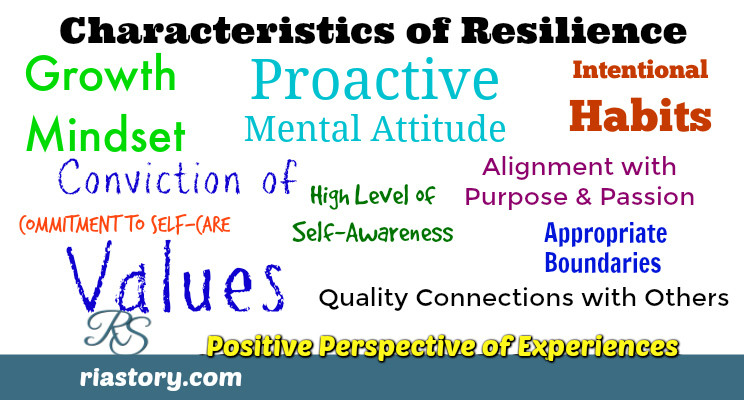
Mental resilience can be defined as the unwavering inner strength that enables us to rebound from the challenges, setbacks, and adversities that we encounter in life with a newfound determination. When we are confronted with raging storms of uncertainty, doubt, and failure, it serves as a dependable anchor that keeps us firmly planted on the ground.
In a world where things are always shifting and there are unexpected roadblocks to overcome, having a strong mental attitude is absolutely necessary. It acts as our defense mechanism against stress, anxiety, and burnout, allowing us to keep a sharp focus and a positive outlook in spite of the chaos that surrounds us. Adopting a mentality that is resilient gives us the fortitude to grow from our mistakes, adjust when faced with unfamiliar challenges, and see opportunities where others see roadblocks.
Utilizing our own inner strength, we are able to navigate the ups and downs of life’s rollercoaster ride and come out the other side more powerful and more experienced. This superpower allows us to not only survive but also thrive. The capacity to adjust one’s behavior in response to demanding experiences and trying circumstances It gives you the ability to navigate challenges while maintaining a positive outlook. People who are resilient are able to recover from defeat, stumbles, and other forms of adversity, and they view these kinds of challenges as being temporary rather than permanent. People who are mentally resilient tend to have certain key characteristics, including the following:
• Keeping a positive and hopeful outlook on life In the face of obstacles, they search for opportunities.
• Having the ability to be adaptable and flexible in the face of change They are able to adjust their tactics and strategies according to the circumstances.
• Displaying a strong will and the ability to keep going despite setbacks They refuse to give up, no matter how difficult the situation becomes or how many times they are set back.
• Gaining wisdom through experience People who are resilient view setbacks and errors in judgment as educational opportunities rather than permanent defeats. They gain wisdom from the blunders and mistakes they make.
• Having a strong support system People who are resilient typically have a network of supportive friends and family members who help encourage them to bounce back from challenges. Being mentally resilient contributes to the development of self-confidence as well as the capacity to adapt when confronted with challenges.
- You can overcome these feelings that you are afraid of in your role or career if you have resilience. If you have resilience, you can also learn from your mistakes and setbacks rather than letting them defeat you.
Identify your most significant accomplishments and skills; that’s necessary!
The following are some effective methods for carrying this out:
Create a list of the skills, expertise, and advantages you possess. When you start having doubts about yourself, refer to this list. Recognize that you have a history of success that can be backed up with evidence. You can point to specific examples that demonstrate your skills. Never be afraid to acknowledge and appreciate compliments and praise. Instead of offering explanations or downplaying your achievements, simply offer your gratitude to those who have helped you.
Recognize that you are deserving of praise for the things you’ve accomplished and the efforts you’ve put in. Instead of beating yourself up over your mistakes and setbacks, use them as opportunities to grow. Every mistake you make is a step toward becoming more mature. Consider how you can enhance your skills and what areas of your performance need the most work. Then you need to take action. You can either sign up for a class or seek out additional practice in that area. Transform your inability to succeed into motivation to get better prepared for the next attempt.
Only compare yourself to your previous self; don’t look at anyone else!

Your path will be unique to you. Don’t start comparing yourself to others in ways that are impossible; concentrate on continually bettering yourself. Instead of focusing on how far you still have to go, celebrate how far you’ve already come. Resilience and confidence are traits that can be developed through consistent practice.
When you have completed the tasks listed above, you will have created the optimal mindset for coping with difficult situations, such as failing at something but still being able to find opportunities within that failure.
The first step in gaining wisdom from mistakes!
Examine the circumstances dispassionately in order to unearth the fundamental flaws that resulted in the failure. Have there been problems with the planning, communication, skills, or resources, or have there been external factors that you cannot control?
Find out what aspects of the future you have control over changing and write those down.
Asking yourself the following questions is a good place to start:
• What expectations did I have, and how were they not met?
• What presumptions have I made about the situation that have proven to be incorrect?
• What kinds of knowledge or abilities did you not have that prevented you from being successful?
• Which aspects of this situation can I change or improve for the next time?
Keep an eye out for the valuable takeaways from every learning experience!

There is something to be gained from every single mistake, regardless of how minor or significant it may have been. Find the takeaways from your analysis and work out how you can apply them going forward. It is essential to adopt the mindset of continuously seeking lessons in everything, including successes and failures, in order to allow resilience and personal growth. This mindset can be applied to both positive and negative learning experiences.
Adopt the mindset that any circumstance, regardless of how large or small it may be, can serve as a learning experience and an opportunity for personal development. Think back on the choices you made and the results you got, and evaluate what went well and what needs some tweaking. You will be able to gain useful insights, improve your skills, and make decisions that are more in line with reality in the future if you adopt a strategy that is centered on learning. This way of thinking not only gives you the ability to prevail over obstacles, but it also inspires a constructive and proactive outlook on life, making it possible for you to seize new opportunities and thrive even in the face of ambiguity.
Consider the ways in which you have become more knowledgeable and better equipped to deal with situations that are similar to those you have encountered in the past. Some of the most successful people have experienced a great deal of setbacks in their lives, but because they are resilient and persistent, they have emerged even stronger than before.
Rethink your approach to failure and view it as a valuable learning experience!

The way in which you think about setbacks will have a direct bearing on your ability to grow from them. Reframing your mindset, particularly in regard to how you take in experiences of failure, is the first step in developing the resilience necessary to seize new opportunities. Consider the experience of failing to be an important stepping stone in the process of becoming more knowledgeable, rather than a reflection of your own personal inadequacy. Accept that failure is a chance to learn important lessons and gain valuable experience, both of which will ultimately help you move forward.
You can cultivate a growth-oriented perspective; you will be able to gain insight from failures, recognize areas in which you can make improvements, and adjust your strategy to deal with upcoming obstacles. This shift in thinking gives you the ability to accept change and uncertainty, which brings in a proactive attitude that encourages continuous growth and development and opens doors to new possibilities.
Instead of letting your level of failure determine how much you value yourself, make an effort to see it as a learning experience. Create a change in your mindset that is upbeat and focused on finding solutions. Tell yourself that you will be successful the next time because you have gained important knowledge. Your self-assurance and motivation to try again will both increase as a result of this. Being resilient can eventually become second nature with enough practice.
Take advantage of new opportunities and maintain an open mind!
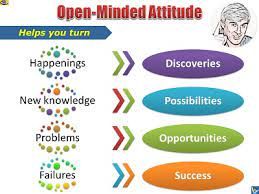
After you have finished processing the setback and incorporating the lessons, you should start looking into new ways to move forward on your journey. It is essential to keep a proactive and open-minded approach in order to make the most of new opportunities and stay one step ahead in a world that is constantly changing. Adopt a mentality that is open to new experiences and keeps an eye out for developing tendencies, as these often contain the seeds of future progress and innovation.
Maintain your knowledge and continuously adapt your skills and strategies so that they are in line with the ever-changing demands of the market and the advances in technology. By having an interest in discovery and being willing to push yourself beyond your comfort zone in order to investigate uncharted regions, you can position yourself at the forefront of progress.
Allowing both personal and professional development while capitalizing on the limitless potential that lies in wait for you You can continue to be open to new possibilities and actively seek out uncharted paths. In many cases, we gain access to previously hidden opportunities when we experience failure. Start thinking of new possibilities and establishing objectives. Put into action the thoughts and concepts that excite or motivate you.
To prevail over setbacks, one must be willing to move themselves up, shake off their defeat, and search for new opportunities to achieve their goals. You can recover from any setback if you have the resilience to do so.
Changing course after experiencing setbacks is a difficult task!
Facing failure and making a course correction, also known as pivoting, is an undeniably difficult endeavor. Because it requires individuals to deal with feelings of disappointment and frustration as well as potential changes in their plans and objectives. Failure can take a significant emotional toll, which can lead to increased levels of self-doubt and an aversion to taking further risks.
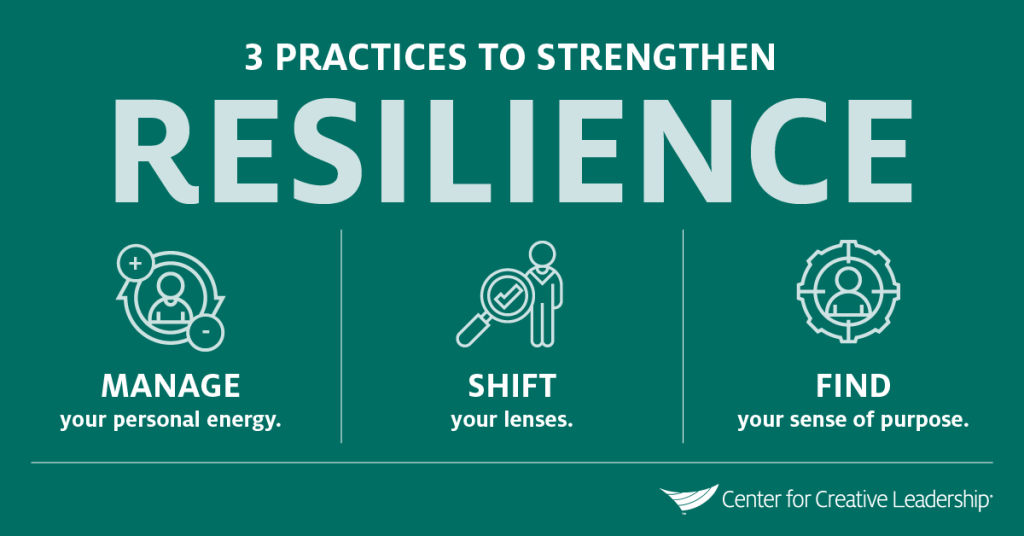
However, the ability to adapt quickly and effectively is especially important in times like these, when things are difficult. Reframing failures and other setbacks as lessons to be learned on the path to success and viewing failures in a new light Opportunities for growth can help a person develop the resilience necessary to navigate through challenging situations.
In order to forge a new path forward, it requires a willingness to adapt, learn from mistakes, and make necessary adjustments. On the other side of failure, individuals are able to explore new opportunities and uncover latent potential. Which is made possible by the process of pivoting, which, despite its intimidating nature, ultimately paves the way for both personal and professional development. But it is doable by strengthening one’s mental fortitude.
Reframing your thoughts and learning from failures are all strategies that can assist you in adjusting to challenging situations, overcoming obstacles, and discovering new opportunities. Your capacity to adapt to changing circumstances and quickly recover from setbacks will improve over time with purposeful practice of the skills described here.
Conclusion!
Developing our mental resilience is a journey that can enrich every aspect of our lives and is a transformative experience in and of itself. We can tap into the power of resilience to meet challenges. If we reframe our mindset to view setbacks as opportunities for growth, seize new opportunities, and cultivate perspective, that is. The ability to adjust one’s course of action in response to setbacks is not only a difficult task, but it is also necessary for one’s continued development and achievement. Mental toughness acts as a compass, enabling us to navigate the unpredictability of life with unyielding determination and an air of elegance. When we continue to work on developing our capacity for inner resilience, we give ourselves a powerful tool that enables us to surmount challenges, flourish in the face of adversity, and pave the way toward personal development and fulfillment. Let us embrace this journey of building mental resilience, as it holds the key to unlocking our true potential as well as unlocking a world of boundless opportunities that lie in wait for us.